
Brachyopina
Genus Guides
7- Brachyopa(Sapeaters)
- Chrysogaster(Low-horned Wrinkleheads)
- Chrysosyrphus(wrinklehead flies)
- Hammerschmidtia
- Lepidomyia
- Myolepta(Pegleg Flies)
- Orthonevra(Mucksuckers)
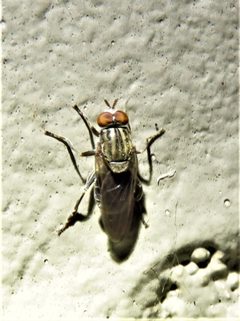
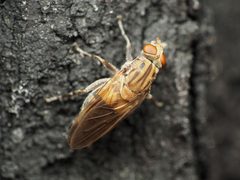
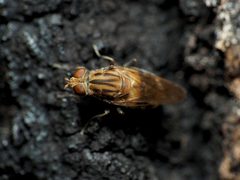
Brachyopina is a subtribe of hoverflies (Syrphidae) in the tribe Brachyopini. The subtribe comprises 15 including Brachyopa, Chrysogaster, Orthonevra, and Myolepta. Members are generally small to medium-sized flies associated with wooded and wetland . Larval is poorly documented for most genera, though some are known to inhabit decaying wood or aquatic environments.
Pronunciation
How to pronounce Brachyopina: //brəˌkaɪoʊˈpiːnə//
These audio files are automatically generated. While they are not always 100% accurate, they are a good starting point.
Identification
Brachyopina hoverflies lack a definitive single diagnostic feature visible to non-. Identification to subtribe requires examination of wing venation patterns and genitalia structure. within Brachyopina are distinguished by combinations of facial profile, hairiness, and abdominal coloration. Brachyopa often have a projecting and pale abdominal spots; Orthonevra species frequently display metallic green or blue coloration; Chrysogaster species have a characteristic broad, flattened .
Images
Habitat
Associated with deciduous and mixed woodlands, forest edges, and riparian zones. Many require moist conditions and are found near standing water, streams, or wet meadows. Some inhabit old-growth forests with decaying wood substrates.
Distribution
Holarctic distribution with greatest diversity in the Palearctic region. Present across Europe, Asia, and North America. Individual vary in range: Orthonevra and Brachyopa are widespread in the northern hemisphere; Hammerschmidtia has a more restricted distribution centered on forests.
Seasonality
period varies by and latitude. Most active from late spring through summer (May–August in temperate regions). Some species with extended flight periods into early autumn.
Behavior
often observed visiting flowers for nectar and pollen. Many exhibit rapid, darting patterns characteristic of small hoverflies. Males of some establish territories near sunlit patches in woodland.
Ecological Role
contribute to pollination of woodland and wetland flora. Larval stages of related Brachyopini are associated with decomposition processes in rotting wood and organic matter, though specific roles for most Brachyopina remain undocumented.
Human Relevance
No direct economic importance. Occasionally encountered by field entomologists and naturalists in woodland . Some serve as indicators of old-growth forest conditions.
Similar Taxa
- Syrphina (subtribe)Another subtribe in tribe Brachyopini; distinguished by differences in facial structure and larval preferences, with Syrphina more associated with open habitats rather than woodlands
- Rhingiina (subtribe)Related subtribe in Brachyopini; separated by wing venation details and generally more robust body form in Rhingiina
More Details
Taxonomic history
The subtribe Brachyopina was established to accommodate previously grouped loosely within the Brachyopini. The inclusion of genera such as Riponnensia (described 1994) reflects ongoing refinement of tribal classification based on phylogenetic analysis.
Larval biology gap
Larval stages are unknown or poorly documented for most Brachyopina . Hammerschmidtia larvae are an exception, having been recorded from decaying aspen and poplar wood. This knowledge gap limits ecological assessment for conservation purposes.