
Beridinae
soldier flies
Genus Guides
4- Actina
- Allognosta
- Beris(false soldier fly)
- Exaireta
Beridinae is a of soldier flies (Stratiomyidae) comprising approximately 15 . in this subfamily have been documented across temperate regions including Canada, Alaska, and Iran, with records indicating presence in forested . The subfamily is taxonomically well-defined with available identification keys for and larvae.
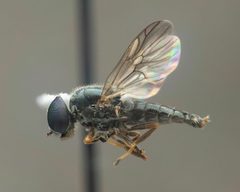
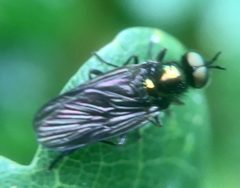
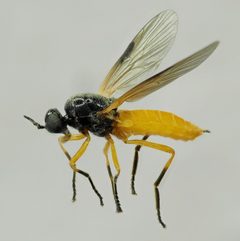
Pronunciation
How to pronounce Beridinae: /bɛrɪˈdɪnaɪ/
These audio files are automatically generated. While they are not always 100% accurate, they are a good starting point.
Identification
can be distinguished using subfamilial and generic keys that rely on morphological characters of the , , and wing venation. Larval identification keys are available where stages are known. Specific diagnostic characters for -level identification include details of leg structure and abdominal coloration.
Images
Habitat
Forest environments; specifically documented from Arasbaran Forests in Iran. Temperate woodland in North America.
Distribution
Holarctic distribution with records from Canada, Alaska, and Iran. Additional records from temperate regions of Europe and Asia.
Life Cycle
Larvae develop in soil, leaf litter, or decaying organic matter; specific developmental stages and duration unknown at level.
Similar Taxa
- SarginaeAnother of Stratiomyidae; distinguished by different and larval morphological characters as detailed in taxonomic keys.
- ClitellariinaeAnother of Stratiomyidae; separated by wing venation patterns and body form in identification keys.
More Details
Taxonomic resources
Comprehensive keys for Beridinae and larvae are available for the Nearctic region (Canada and Alaska), facilitating identification to and level.