
Micropygomyia vexator
(Coquillett, 1907)
Micropygomyia vexator is a small moth fly in the Phlebotominae (sand flies), described by Coquillett in 1907. It belongs to the Micropygomyia, which is characterized by reduced wing venation and small body size. Like other phlebotomine sand flies, it is presumed to have blood-feeding females, though specific biological details remain poorly documented. The species has been recorded in the Americas.
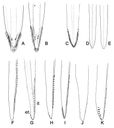
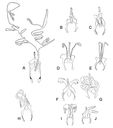
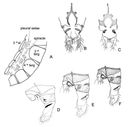
Pronunciation
How to pronounce Micropygomyia vexator: /mɪˌkroʊpɪˈɡoʊmiə ˈvɛksətɔr/
These audio files are automatically generated. While they are not always 100% accurate, they are a good starting point.
Identification
Micropygomyia vexator can be distinguished from other phlebotomine sand flies by the combination of: small body size (approximately 1.5–2.5 mm); reduced wing venation with fewer crossveins than related ; and the characteristic wing venation pattern of Micropygomyia, including a shortened R5 . Males possess claspers with distinctive that separates them from . The genus Micropygomyia is distinguished from Phlebotomus and Lutzomyia by the reduced number of wing veins and the shape of the spermathecae in females.
Images
Habitat
Found in tropical and subtropical environments. Specific microhabitat preferences are not well documented, but related phlebotomine sand flies occupy humid, shaded areas including forest floors, rock crevices, and animal burrows.
Distribution
Recorded from the Americas; specific country records require verification. The Micropygomyia occurs from Mexico through Central America and into South America.
Life Cycle
Presumed to follow the general phlebotomine pattern: , four larval instars, pupa, and . Larval development occurs in moist organic substrates. Specific details for M. vexator are not documented.
Ecological Role
As a member of Phlebotominae, likely serves as a potential of Leishmania and other , though vector competence for M. vexator specifically has not been established.
Human Relevance
Sand flies in the Phlebotominae are significant of , bartonellosis, and . The specific medical importance of M. vexator has not been determined.
Similar Taxa
- Micropygomyia cayennensisOverlapping geographic range and similar reduced wing venation; distinguished by male genitalia and subtle differences in spermathecae structure.
- Lutzomyia longipalpisSimilar size and general appearance but belongs to different ; Lutzomyia has more complete wing venation with additional crossveins and different spermathecae shape.
More Details
Taxonomic Note
The Micropygomyia was established by Barretto in 1962 and is distinguished from Lutzomyia primarily by wing venation characters. Some authors have treated Micropygomyia as a subgenus of Lutzomyia, but it is currently recognized as a valid genus. The M. vexator was originally described as Phlebotomus vexator by Coquillett in 1907.