
Micropygomyia
Barretto, 1962
Species Guides
1Micropygomyia is a of sand flies (Diptera: Psychodidae: Phlebotominae) established by Barretto in 1962. Members of this genus have been documented in northern Colombia, where at least two —Micropygomyia cayennensis cayennensis and Micropygomyia micropyga—have been found naturally infected with trypanosomatid , including Trypanosoma spp. The genus is part of the diverse Neotropical fauna, with species associated with tree bases and cavities.
Pronunciation
How to pronounce Micropygomyia: //ˌmaɪ.kroʊ.paɪˈɡoʊ.miː.jə//
These audio files are automatically generated. While they are not always 100% accurate, they are a good starting point.
Identification
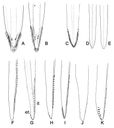
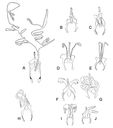
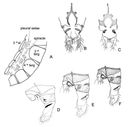
Micropygomyia can be distinguished from other phlebotomine by morphological characters of the male genitalia, particularly the structure of the parameres and . The genus name refers to the reduced pygopodium (pygophore) in males compared to related genera. Accurate identification requires examination of slide-mounted specimens and reference to taxonomic revisions of Neotropical Phlebotominae.
Images
Habitat
have been collected from tree bases and tree cavities, suggesting association with arboreal microhabitats and forested environments.
Distribution
Documented from Colombia (northern regions), with presence records indicating Neotropical distribution. GBIF indicates presence in Colombia.
Seasonality
Active collection in northern Colombia occurred between March 2017 and March 2018, with no seasonal pattern specified in available sources.
Ecological Role
Documented as a for trypanosomatid including Trypanosoma spp., detected in the of dissected females. The epidemiological significance of these parasites and their potential transmission to vertebrate hosts remains undetermined.
Human Relevance
Potential involvement in transmission of trypanosomatid ; however, the public health risk to humans or other vertebrates from Trypanosoma spp. detected in this has not been established. Further ecological and molecular studies are needed to assess epidemiological role.
Similar Taxa
- LutzomyiaBoth are Neotropical phlebotomine ; Micropygomyia is distinguished by male genitalic , particularly the reduced pygopodium.
- PsychodopygusOverlaps in distribution and ; Micropygomyia differs in paramere and aedeagal structure.
More Details
Parasite detection
Trypanosoma spp. detected in Micropygomyia cayennensis cayennensis formed a strongly supported monophyletic clade closely related to associated with lizards, based on SSU rRNA V7V8 and gGAPDH gene sequences.
Taxonomic note
The subspecific epithet appears truncated in some sources as 'cayennens is' rather than 'cayennensis cayennensis'.