
Phlebotominae
sand flies
Genus Guides
2- Lutzomyia(phlebotomine sand flies)
- Micropygomyia
Phlebotominae is a of small, blood-feeding flies within Psychodidae, commonly known as sand flies. Many are and serve as primary of , bartonellosis, and pappataci fever. The subfamily includes with significant medical and veterinary importance, particularly in tropical and subtropical regions. Taxonomic identification relies heavily on morphological characters of genitalia, which can show considerable variation and anomalies.
Pronunciation
How to pronounce Phlebotominae: //ˌflɛbəˈtoʊmɪniː//
These audio files are automatically generated. While they are not always 100% accurate, they are a good starting point.
Identification
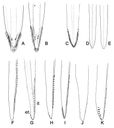
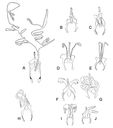
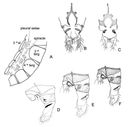
are small, delicate flies with hairy bodies and wings. Identification to and requires examination of male genitalia, spermathecae in females, and other morphological characters including cibarial armature, pharyngeal armature, and wing venation. Some (such as the Shannoni complex in Psathyromyia) present identification challenges due to morphological similarity between females, while males are more readily distinguished. Anomalies in , palps, legs, wings, and genitalia have been documented and can complicate identification.
Images
Distribution
in tropical, subtropical, and warm temperate regions. Documented from Madagascar and neighboring islands (Seychelles, Comoros), Iraq, Brazil (including Amazon region, São Paulo state, Minas Gerais), and numerous other localities worldwide. Some show broad distributions (e.g., P. fertei across Madagascar), while others have highly restricted ranges.
Diet
females of many are , feeding on vertebrate blood. Blood meal sources vary by species and may include mammals, birds, and reptiles.
Life Cycle
Complete with , larva, pupa, and stages. Larval development occurs in moist terrestrial . Specific developmental details vary among .
Behavior
Females of many bite humans and other vertebrates to obtain blood meals. Some species in the Psathyromyia have been found in urban environments near human habitation, while others inhabit forested regions.
Ecological Role
Many serve as of human and animal . In the New World, Lutzomyia species transmit ; in the Old World, Phlebotomus species are primary vectors. P. sergenti is the principal vector of oriental sore (cutaneous leishmaniasis) in Iraq. Some species may be potential vectors of leishmaniasis in the Amazon region.
Human Relevance
Major medical importance as of (cutaneous and visceral), bartonellosis (Carrión's ), and pappataci fever. Leishmaniasis screening in sand flies from Madagascar yielded negative results, though the remains of significant epidemiological concern in regions worldwide.
Similar Taxa
- PsychodinaeBoth are within Psychodidae; Psychodinae are generally non- moth flies with different ecological habits and lack the blood-feeding mouthpart adaptations and importance of Phlebotominae
- CeratopogonidaeBiting midges are small blood-feeding flies that overlap in size and some ; distinguished by wing venation, shorter , and different mouthpart structure
- SimuliidaeBlack flies are small blood-feeding Diptera with medical importance; distinguished by humped , short , and aquatic larval
Sources and further reading
- BugGuide
- iNaturalist taxon
- NCBI Taxonomy
- Catalogue of Life
- New Sand Fly Species Continue To Be Discovered in Brazil
- New Sand Fly Species Discovered in Brazil
- The Sandflies (Phlebotominae) of Iraq
- Contribution à l’inventaire des Phlébotomes (Psychodidae – Phlebotominae) de Madagascar et des îles voisines
- Description of anomalies in sand flies of the genus Sciopemyia (Diptera, Psychodidae, Phlebotominae)
- Phlebotomine sand flies (Diptera: Psychodidae, Phlebotominae) fauna in Unaí, State of Minas Gerais, Brazil.
- Correction: On the integrative taxonomy of Trichophoromyia Barretto, 1962 and its relationship with Nyssomyia Barretto, 1962 (Diptera, Psychodidae, Phlebotominae): species delimitation, phylogeny, genus and subgenus description.