Phytomyza pastinacae
Hendel, 1923
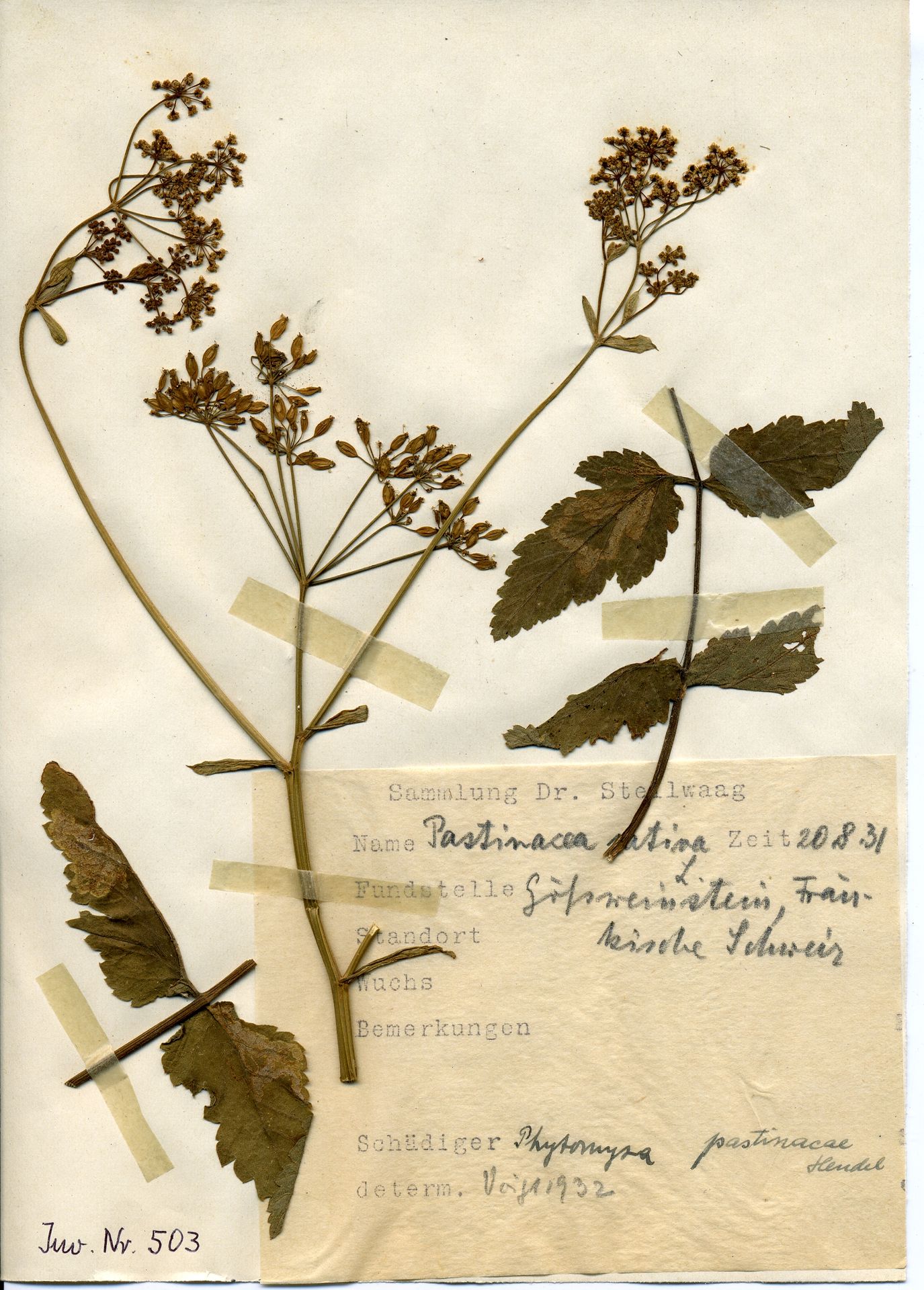
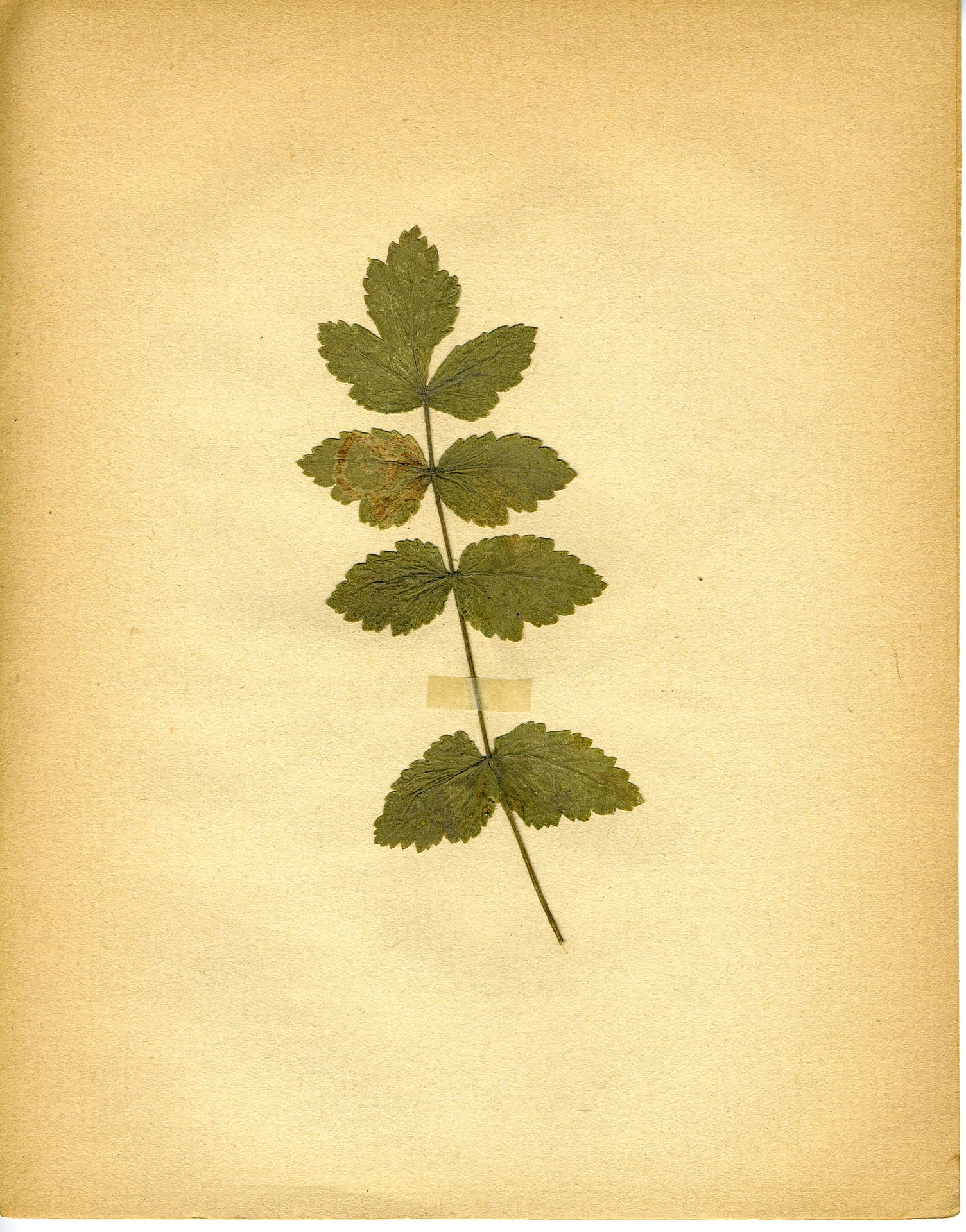
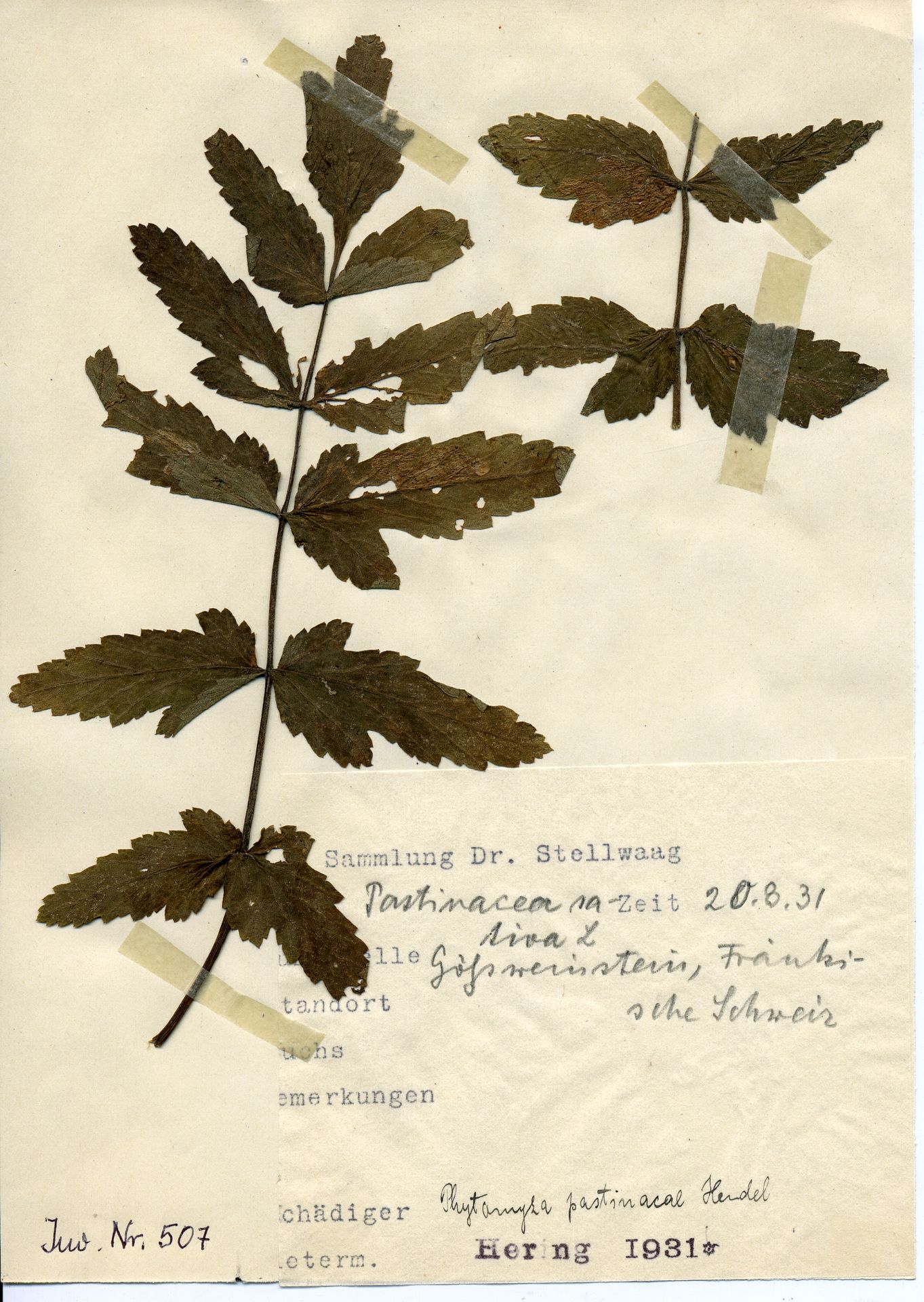
Phytomyza pastinacae is a leaf-mining fly in the Agromyzidae. The develops as a larva within the leaves of plants in the Apiaceae family, creating internal feeding galleries. It has been recorded across Europe, North America, and the Caucasus region.
Pronunciation
How to pronounce Phytomyza pastinacae: /ˌfaɪtoʊˈmaɪzə pæstəˈneɪsi/
These audio files are automatically generated. While they are not always 100% accurate, they are a good starting point.
Identification
are small flies typical of the Phytomyza. Larvae produce serpentine leaf mines within plant leaves. Specific diagnostic features for distinguishing this from other Phytomyza leafminers require examination of adult genitalia or larval cephalopharyngeal skeleton .
Images
Habitat
Found in association with Apiaceae plants in open, disturbed, and semi-natural where these plants occur.
Distribution
Recorded from Europe, Canada, the United States, and the Caucasus region (new locality records published 2012).
Diet
Larvae feed internally on leaf tissue of plants. feed on sap exuded from feeding punctures made by the female's ovipositor.
Host Associations
- Pastinaca sativa - larval parsnip
- Heracleum sphondylium - larval hogweed
- Angelica sylvestris - larval wild angelica
Life Cycle
Females deposit into leaf tissue using an ovipositor. Larvae hatch and feed within the leaf mesophyll, creating serpentine mines that expand as the larva grows and . Larval development continues through winter with intermittent feeding on warm days. occurs in spring, with emerging to coincide with the availability of new plant growth.
Behavior
Females use their ovipositor to create feeding punctures in leaves, from which they obtain sap as a food source. These punctures may cause leaf curling when abundant.
Ecological Role
As a herbivore, the contributes to leaf damage and nutrient cycling in Apiaceae . Its leaf-mining habit makes it a component of the guild of internal-feeding herbivores on these plants.
Human Relevance
May be encountered in agricultural and horticultural settings where Apiaceae crops or wild relatives occur. The feeding punctures and mines can cause minor aesthetic damage to ornamental plantings.
Similar Taxa
- Phytomyza ilicicolaBoth are serpentine leafminers in the same , but P. ilicicola is restricted to American holly (Aquifoliaceae) rather than Apiaceae . P. pastinacae mines are found on compound leaves of umbellifers, not simple evergreen leaves.
Sources and further reading
- BugGuide
- Wikipedia
- GBIF taxonomy match
- Catalogue of Life
- The Holly and Ivy - A two part series: This week the holly and the native holly leaf miner, Phytomyza ilicicola — Bug of the Week
- Deck the halls with boughs of holly…and the Native holly leafminer, 'Phytomyza ilicicola', and Holly berry midge, 'Asphondylia ilicicola' — Bug of the Week
- Holly surprise: Native holly leafminer, Phytomyza ilicicola — Bug of the Week
- Holiday miners - Native holly leafminer, Phytomyza ilicicola — Bug of the Week
- Deck the halls with boughs of holly - and maybe some leaves with the native holly leafminer, Phytomyza ilicicola — Bug of the Week
- The Holly and Ivy: A two part series - This week the holly and holly leaf miner - Phytomyza ilicicola — Bug of the Week
- New data on the biology and distribution of agromyzid fly Phytomyza pastinacae Hendel, 1923 (Diptera: Agromyzidae)