
Calycomyza eupatorivora
Spencer, 1973
Chromolaena Leaf-mining Fly
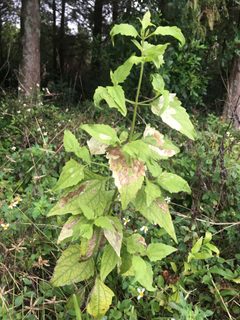
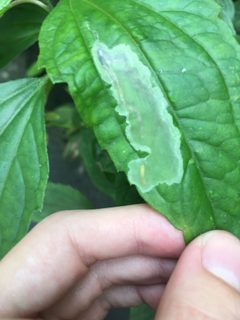
A leaf-mining fly in the Agromyzidae, Calycomyza eupatorivora was introduced to South Africa as a agent for the weed Chromolaena odorata. Larvae feed internally on leaf tissue, creating characteristic mines. The exhibits distinct preferences and seasonal activity patterns that influence its effectiveness as a biocontrol agent.
Pronunciation
How to pronounce Calycomyza eupatorivora: /ˌkælɪkoʊˈmaɪzə juːˌpeɪtəriˈvɔːrə/
These audio files are automatically generated. While they are not always 100% accurate, they are a good starting point.
Identification
are small flies typical of Agromyzidae; larvae create serpentine or blotch mines in leaves of Chromolaena odorata. Specific diagnostic features for field identification of adults are not documented in available sources.
Images
Habitat
Stands of Chromolaena odorata; prefers shaded microhabitats over open sun-exposed areas despite experiencing higher larval mortality in shade.
Distribution
Native range: Brazil (São Paulo). Introduced and established in South Africa for purposes.
Seasonality
Exhibits seasonal activity patterns; specific timing varies with local climate conditions in established range.
Diet
Larvae feed on leaf tissue of Chromolaena odorata, forming internal leaf mines.
Host Associations
- Chromolaena odorata - obligate Larval development occurs exclusively within leaves of this plant; established as agent specifically for this weed.
Life Cycle
Complete with , larval, pupal, and stages. Larvae develop as leaf miners within plant tissue.
Behavior
females oviposit into leaves of plant. Larvae mine leaf mesophyll. Higher larval mortality occurs in preferred shaded due to and desiccation.
Ecological Role
herbivore; functions as agent reducing vigor of Chromolaena odorata .
Human Relevance
Intentionally introduced to South Africa for of Siam weed (Chromolaena odorata), an plant affecting agriculture and natural .
Similar Taxa
- Other Calycomyza speciesMany are leaf miners on Asteraceae; distinguished by plant association and specific mine where documented.
- Other Agromyzidae leaf minersShare mining habit but differ in specificity; C. eupatorivora is restricted to Chromolaena odorata.
More Details
Mortality Factors
Larval mortality is driven primarily by and desiccation, with higher rates in shaded despite preference for shade.
Biocontrol Efficacy
The tension between preference and mortality rates in shade presents challenges for predicting and optimizing biocontrol outcomes.