
Aulagromyza populicola
(Walker, 1853)
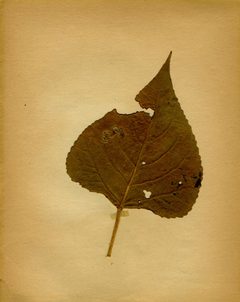
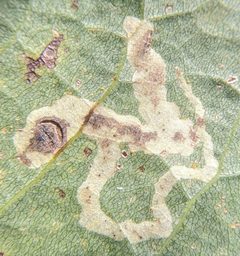
Aulagromyza populicola is a leaf-mining fly in the Agromyzidae. The was described by Walker in 1853. It is known from parts of northwestern Europe including Belgium, Denmark, and Norway. As a member of the Aulagromyza, it likely produces linear or blotch mines in plant leaves, though specific documentation for this species is limited.
Pronunciation
How to pronounce Aulagromyza populicola: /ˌɔːləɡroʊˈmaɪzə ˌpɒpjʊˈlɪkələ/
These audio files are automatically generated. While they are not always 100% accurate, they are a good starting point.
Identification
Aulagromyza populicola is distinguished from other Aulagromyza by subtle morphological characters of the male genitalia and chaetotaxy, which require microscopic examination. The specific epithet "populicola" suggests association with Populus (poplar) species, which may aid in field identification when mines are found on this . Accurate identification to species level generally requires examination of specimens by a .
Images
Distribution
Recorded from Belgium (including Brussels-Capital Region and Flemish Region), Denmark, and Norway. The known distribution is restricted to parts of northwestern Europe.
Host Associations
- Populus - likely plantInferred from specific epithet; not confirmed by direct observation records in provided sources
Similar Taxa
- Other Aulagromyza speciesMorphologically similar leaf-mining flies requiring genitalia examination for definitive identification; many mine Populus leaves
- Phytomyza speciesAlso leaf-mining Agromyzidae on Populus; distinguished by wing venation and larval characters
More Details
Nomenclature
Originally described by Walker in 1853; transferred to Aulagromyza based on modern classification of Agromyzidae. The genus Aulagromyza was established to accommodate previously placed in Phytomyza with distinct morphological features.
Data limitations
This is poorly represented in public databases. GBIF records are sparse and concentrated in Belgium. No published records or biological observations were available in the consulted sources. Most information must be inferred from -level characteristics with appropriate caution.