
Archytas
Jaennicke, 1867
Species Guides
8- Archytas analis
- Archytas apicifer(Hornworm Tachinid Fly)
- Archytas aterrimus
- Archytas californiae
- Archytas lateralis
- Archytas marmoratus(marbled bristle fly)
- Archytas metallicus
- Archytas rufiventris
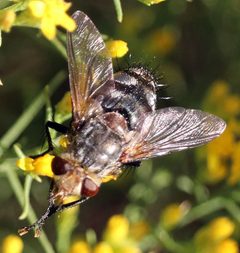
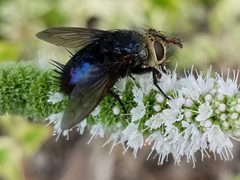
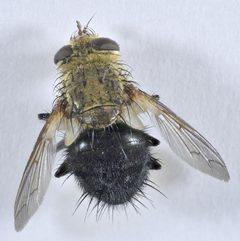
Archytas is a of tachinid flies ( Tachinidae) containing numerous distributed primarily in the Americas. These flies are , with larvae developing inside other insects. The genus is taxonomically well-established within the Tachininae and tribe Tachinini. are frequently observed visiting flowers, particularly in late summer and fall.
Pronunciation
How to pronounce Archytas: //ˈɑːrkɪtæs//
These audio files are automatically generated. While they are not always 100% accurate, they are a good starting point.
Identification
Archytas are medium to large tachinid flies, generally robust with bristly bodies. They can be distinguished from related tachinid by combinations of thoracic chaetotaxy, abdominal color patterns, and male genitalic structures. Specific identification to species level requires examination of microscopic characters and is challenging without specialized keys.
Images
Habitat
are commonly found in open including grasslands, meadows, and woodland edges. They frequent flowering plants where they feed on nectar and pollen. Larval habitats are determined by insect distribution, as females deposit on or near potential hosts.
Distribution
Primarily distributed across North America, with records from the United States (including Vermont) and extending into the Neotropics. The shows broad continental distribution with occupying diverse ecological zones.
Seasonality
activity peaks in late summer and early autumn (August through October in temperate regions). This corresponds with flowering periods of major nectar sources such as goldenrods (Solidago) and rabbitbrushes (Ericameria).
Diet
feed on nectar and pollen from flowers. Larvae are that develop within insects, primarily Lepidoptera ( and butterflies) and possibly other arthropods.
Host Associations
- Lepidoptera - Primary ; larvae develop inside caterpillars
Life Cycle
Females deposit on insects or vegetation. Larvae penetrate host bodies and develop internally, eventually killing the host. Mature larvae exit to pupate in soil or leaf litter. Multiple may occur annually depending on climate and host availability.
Behavior
are and strongly attracted to flowers. They are capable fliers and may travel considerable distances in search of nectar sources. Mating has been observed on vegetation and flowers.
Ecological Role
Important agents that regulate of herbivorous insects, particularly caterpillars. By parasitizing agricultural and forest pest , they contribute to natural pest suppression.
Human Relevance
Beneficial insects for agriculture and forestry due to activity against pest Lepidoptera. No direct negative impacts on humans; do not bite or sting.
Similar Taxa
- JuriniopsisSimilar large, bristly tachinid flies with comparable flower-visiting ; distinguished by thoracic bristle patterns and abdominal coloration
- AdejeaniaOverlaps in size and general appearance; Adejeania often show more distinct thoracic stripes and different wing venation
More Details
Taxonomic note
The name Archytas (established 1867) predates and is unrelated to the ancient Greek mathematician Archytas of Tarentum (435/410–360/350 BC). The homonymy is coincidental.
Observation frequency
The is among the more frequently recorded tachinid genera on citizen science platforms, with over 15,000 observations documented, reflecting both its abundance and its conspicuous flower-visiting .