Pollenia angustigena
Wainwright, 1940
Narrow-cheeked Clusterfly
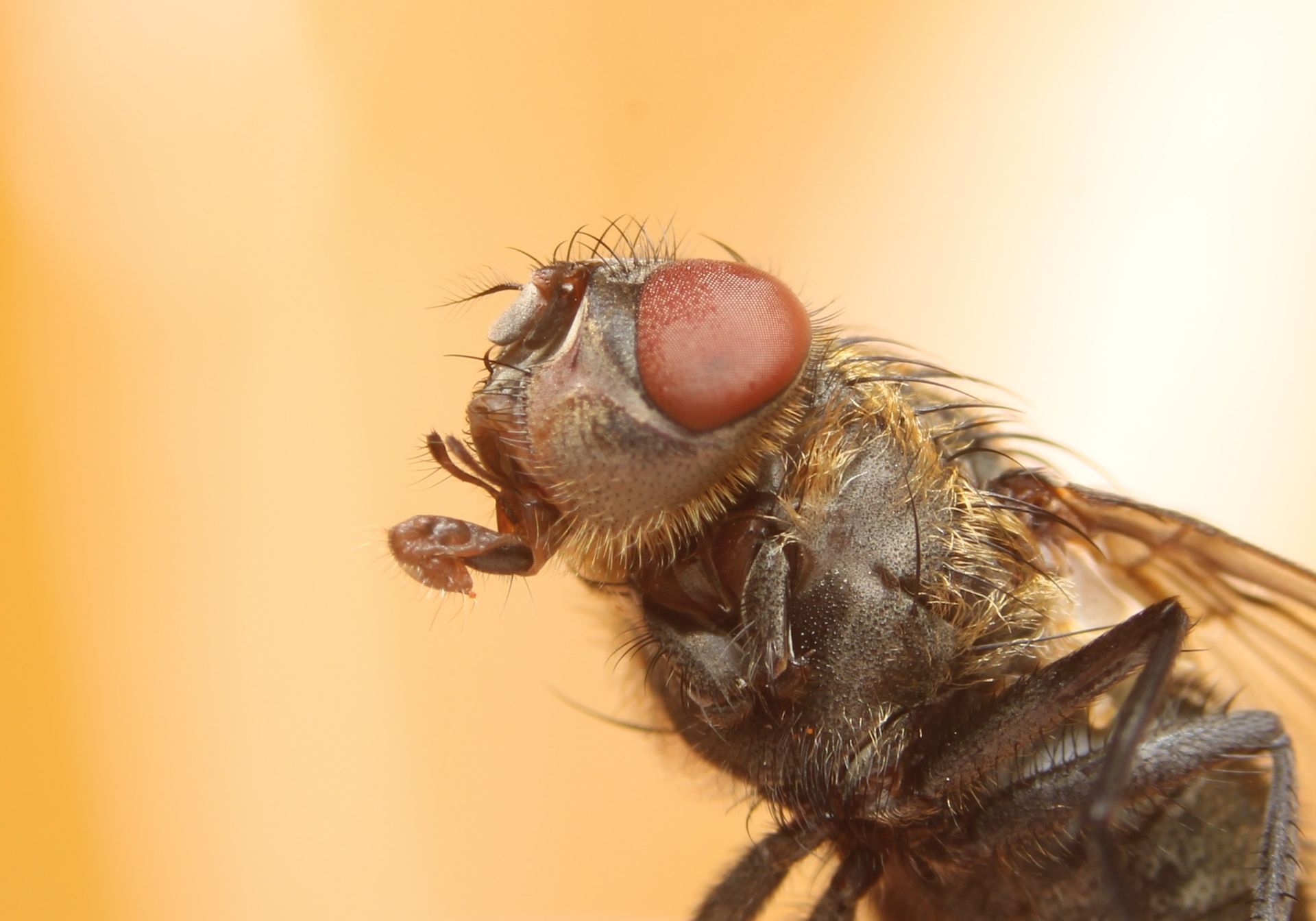
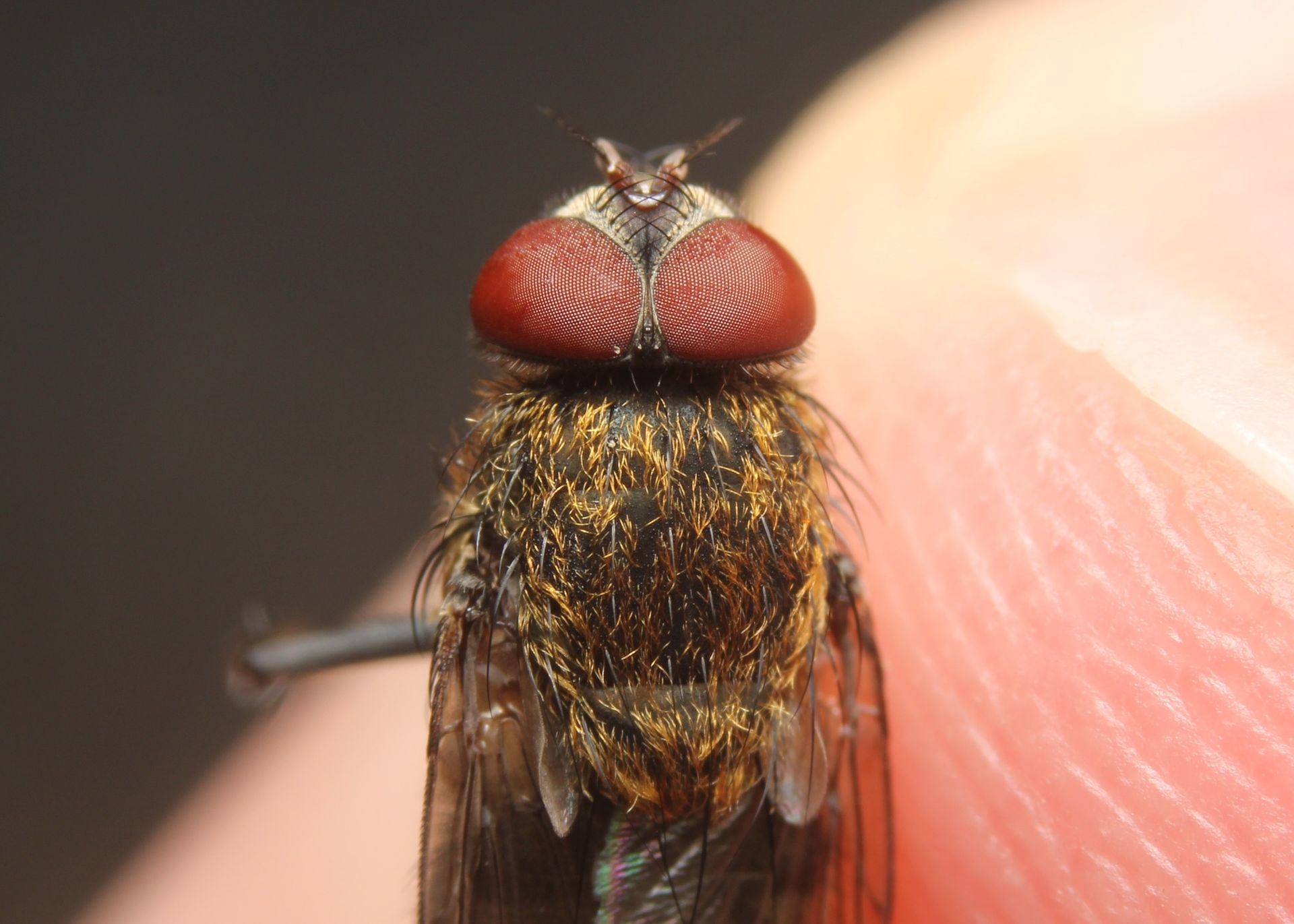
Pollenia angustigena is a medium-sized cluster fly in the Polleniidae, measuring 4.5–9.5 mm. Formerly classified in Calliphoridae, this is now placed in Polleniidae based on morphological and molecular evidence. display variable coloration with chequered abdominal dusting and distinctive golden crinkly thoracic hairs. The species is widely distributed in Britain and parts of continental Europe, with records from Belgium, Denmark, Norway, and Portugal (Madeira). Adults are active from March to October, though they may be recorded year-round indoors during winter. Like other Pollenia species, adults feed on flower nectar and may contribute to pollination, while larvae are or of earthworms.
Pronunciation
How to pronounce Pollenia angustigena: //pɔˈleː.ni.a aŋˌɡʊs.tiˈɡeː.na//
These audio files are automatically generated. While they are not always 100% accurate, they are a good starting point.
Identification
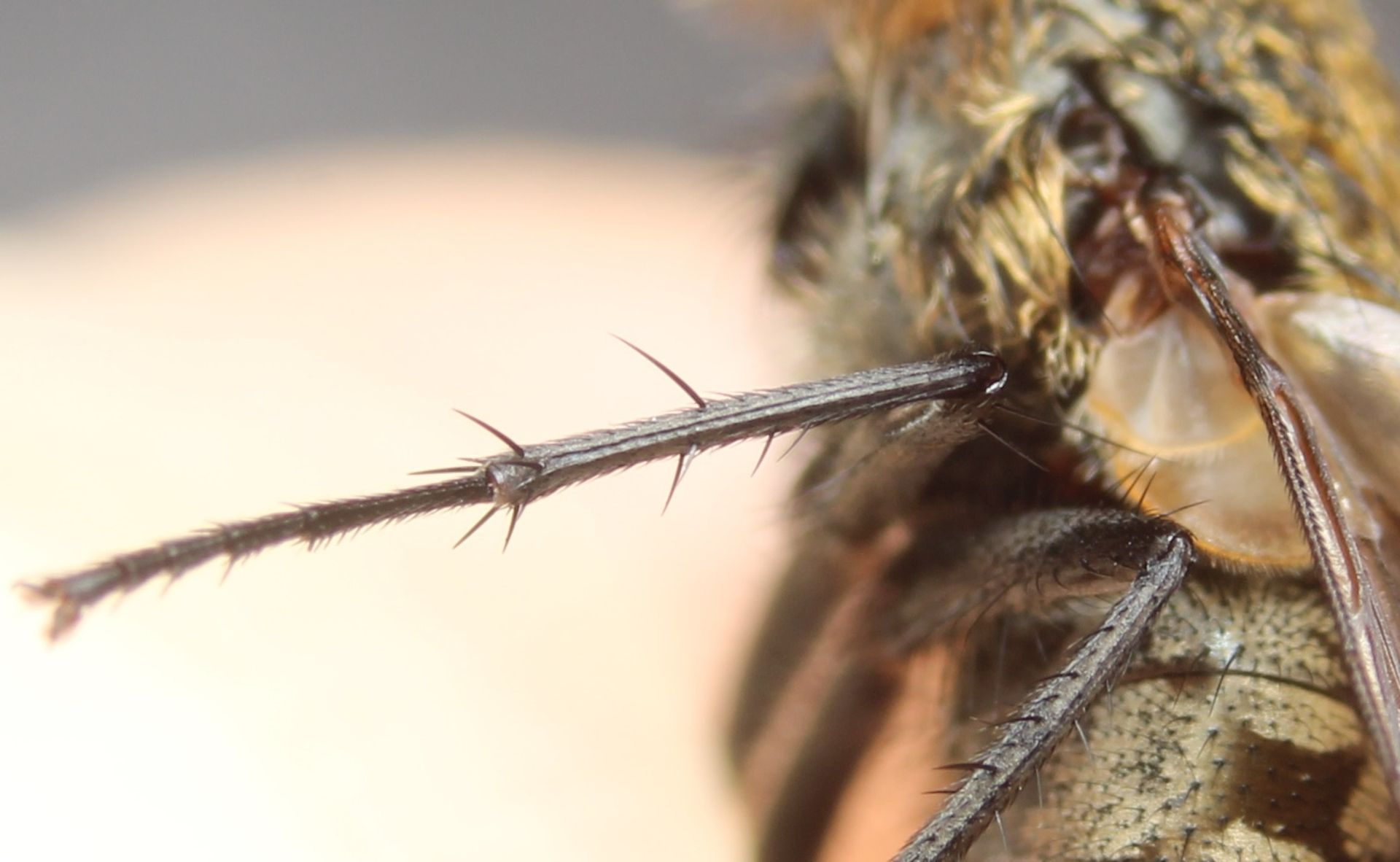
Distinguished from similar cluster flies by narrow cheeks and specific patterns of abdominal vestiture. Males can be separated from P. rudis by genitalia . Fresh specimens exhibit golden crinkly hairs on the that are easily abraded in older individuals. The chequered abdominal dusting pattern provides a field character for identification. Minute details of setae number, position, and length on various body parts are definitive characters requiring close examination.
Images
Habitat
Woodlands, grasslands, and quarries. overwinter in sheltered locations including buildings, where they may accumulate in large numbers.
Distribution
Widely distributed in Britain; recorded in Belgium, Denmark, Norway, and Portugal (Madeira).
Seasonality
On the wing from March to October; recorded year-round, primarily indoors during winter months.
Diet
feed on flower nectar. Larvae are and/or of earthworms.
Host Associations
- earthworms - larval Larvae penetrate earthworms dorsally and feed internally
Life Cycle
laid in small batches on the ground. First instar larvae move through soil to locate earthworms, penetrate dorsally, and feed internally with exposed to the exterior. Third instar larvae may also feed externally and move between hosts. occurs in soil. The second and third instars of P. angustigena specifically remain undescribed.
Behavior
cluster in large numbers in buildings during winter, potentially causing nuisance. Adults pollinate plants when feeding on flowers.
Ecological Role
function as when feeding on nectar. Larvae act as or of earthworms, potentially regulating earthworm in soil .
Human Relevance
Considered a nuisance pest when aggregate in buildings during winter. No known transmission. Adults may stain surfaces if crushed.
Similar Taxa
- Pollenia rudisSimilar size and general appearance; distinguished by male genitalia, abdominal vestiture patterns, and specific setal characters
- Pollenia pediculataOther common cluster fly in same region; requires examination of setal characters for separation
Sources and further reading
- BugGuide
- Wikipedia
- GBIF taxonomy match
- iNaturalist taxon
- NCBI Taxonomy
- Catalogue of Life
- Bug Eric: Fly Day Friday: Cluster Flies
- Bug Eric: January 2013
- Bug Eric: Small Milkweed Bug
- Bug Eric: The Monarch Dethroned
- Flies at the window - Muscina pascuorum — Bug of the Week
- The genome sequence of the narrow-cheeked clusterfly, Pollenia angustigena (Wainwright, 1940).