
Eutrichota
Kowarz, 1893
root maggot fly
Species Guides
12- Eutrichota affinis(root-maggot fly)
- Eutrichota cylindrica(root-maggot fly)
- Eutrichota finitima
- Eutrichota fuscipes(Root maggot fly)
- Eutrichota geomyis
- Eutrichota gopheri(Gopher Tortoise Burrow Fly)
- Eutrichota impolita
- Eutrichota incompleta
- Eutrichota lipsia(root maggot fly)
Eutrichota is a of true flies in the Anthomyiidae, established by Kowarz in 1893. Members are commonly referred to as root maggot flies, reflecting their larval association with plant roots. The genus occurs across northern Europe and North America, with over 6,000 observations documented on iNaturalist. Like other anthomyiids, these flies are generally small to medium-sized with dull coloration.
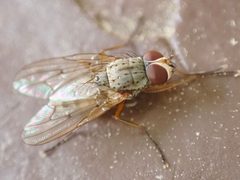
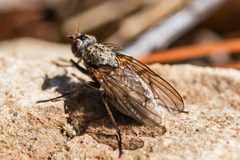
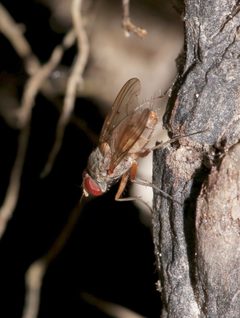
Pronunciation
How to pronounce Eutrichota: /juːˈtrɪkoʊtə/
These audio files are automatically generated. While they are not always 100% accurate, they are a good starting point.
Identification
Eutrichota are distinguished from other Anthomyiidae by subtle morphological features of the male genitalia and chaetotaxy (bristle arrangement), requiring microscopic examination for definitive identification. They lack the distinctive features that characterize related genera such as Pegomya (often with patterned wings) or Delia (with specific abdominal bristle patterns). Field identification to genus is generally not possible without specimen collection and dissection.
Images
Habitat
have been observed in varied environments including urban parks with lawns and oak-hickory forests. Larval stages are associated with soil and plant roots.
Distribution
Documented from Denmark, Norway, Sweden, and the United States (including Vermont). iNaturalist records indicate broad distribution across northern temperate regions.
Seasonality
activity has been recorded in spring, with observations from late April through early May in the north-central United States.
Ecological Role
Larvae function as root-feeders in soil . may contribute to pollination of early spring flora, though this has not been quantified.
Human Relevance
Some in related anthomyiid are agricultural pests; the economic status of Eutrichota species specifically has not been established. occasionally enter buildings, as evidenced by indoor observations.
Similar Taxa
- DeliaAnother large anthomyiid with root-feeding larvae; distinguished by abdominal bristle patterns and male genitalia structure
- PegomyaOften exhibits patterned or spotted wings, which Eutrichota lacks; also differs in larval preferences
- HylemyaOverlaps in general but differs in specific chaetotaxy and genitalic characters
More Details
Taxonomic history
The was established by Kowarz in 1893 and has maintained consistent circumscription, though -level remains under revision.