
Diclasiopa
Hendel, 1917
Species Guides
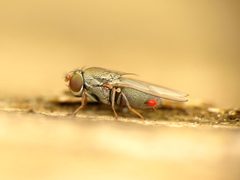
1Diclasiopa is a of shore flies (Diptera: Ephydridae) established by Friedrich Hendel in 1917. The genus is poorly documented in the literature, with limited -level information available. Records indicate presence in northern Europe (Norway, Sweden) and minimal observational data (19 iNaturalist records). As with other ephydrids, members likely inhabit moist or aquatic environments, though specific ecological details remain unverified.
Pronunciation
How to pronounce Diclasiopa: /ˌdaɪˌkleɪsiˈoʊpə/
These audio files are automatically generated. While they are not always 100% accurate, they are a good starting point.
Identification
-level identification requires examination of genitalic and chaetotactic characters typical of Ephydridae. Diclasiopa appear to lack the distinctive modifications seen in related genera such as Ephydra or Scatella, but precise diagnostic features for the genus are not well documented in accessible literature.
Images
Distribution
Documented from Norway and Sweden based on GBIF records. iNaturalist observations suggest broader potential distribution, though verification is limited.
Similar Taxa
- EphydraShares Ephydridae and general shore fly ; Ephydra are generally larger and associated with saline or alkaline waters, with better-documented ecological preferences.
- ScatellaAnother ephydrid with superficially similar small, dark body form; Scatella often show distinctive wing patterns and are more frequently recorded in coastal splash zone .
More Details
Taxonomic obscurity
Diclasiopa represents a poorly studied within Ephydridae. The original description by Hendel (1917) and subsequent taxonomic treatments are not widely digitized or accessible, contributing to data gaps in this record.
Data limitations
Only 19 iNaturalist observations and sparse GBIF records exist for this . The absence of Wikipedia summary and minimal literature presence indicate significant knowledge gaps rather than genuine rarity.