
Liancalus limbatus
Van Duzee, 1917
Liancalus limbatus is a of long-legged fly in the Dolichopodidae, described by Van Duzee in 1917. The Liancalus belongs to the Hydrophorinae, a group associated with aquatic and semi-aquatic . Like other dolichopodids, members of this genus are predatory as . The specific epithet "limbatus" refers to a bordered or edged characteristic, though the precise morphological basis for this name is not documented in available sources.
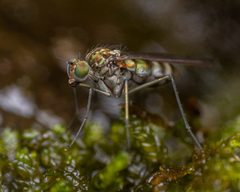
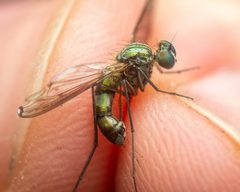
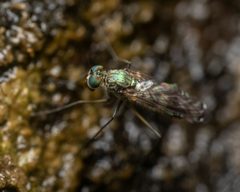
Pronunciation
How to pronounce Liancalus limbatus: //laɪˈæŋkələs lɪmˈbeɪtəs//
These audio files are automatically generated. While they are not always 100% accurate, they are a good starting point.
Images
Habitat
The Liancalus is associated with aquatic and semi-aquatic environments. Based on placement in Hydrophorinae, in this genus are typically found near water bodies including puddles, intermittent streams, lake shores, and .
Diet
are predatory on other small insects, consistent with the -wide trait in Dolichopodidae. Prey capture involves modified mouthparts with an extendable lower lip bearing opposable lobes used to crush or tear victims.
Life Cycle
Larval stages of Hydrophorinae are typically aquatic or semi-aquatic. Specific larval for L. limbatus is undocumented; larval habits for most Liancalus remain unknown.
Ecological Role
As of small insects, contribute to regulation of of other arthropods in aquatic edge .
Similar Taxa
- HydrophorusBoth belong to Hydrophorinae and share aquatic associations. Hydrophorus are known to skate across water surfaces, a that may also occur in Liancalus. Hydrophorus species have been more frequently documented and observed.
- DolichopusBoth are Dolichopodidae with predatory , but Dolichopus belongs to Dolichopodinae and includes with shorter legs and different preferences. Male Dolichopus have distinctive ornamented fore used in , a trait not documented for Liancalus.
More Details
Taxonomic status
Accepted , described by Van Duzee in 1917. The species has 17 observations recorded on iNaturalist as of the source date, indicating it is rarely reported and poorly known.
Identification challenges
-level identification within Liancalus, as with most Dolichopodidae, generally requires examination of male genitalia. The male claspers appear as forward-protruding appendages at the abdominal tip.