
Leptomorphus
Curtis, 1831
Species Guides
5Leptomorphus is a of fungus gnats in the Mycetophilidae, comprising approximately 45 extant distributed across multiple biogeographic realms. The genus is monophyletic based on morphological phylogenetic analysis, with four major species groups recognized: the L. ornatus group, L. grjebinei group, L. walkeri group, and L. furcatus group. Species exhibit considerable morphological diversity, with detailed descriptions and illustrations of habitus, wings, and male genitalia available for identification.
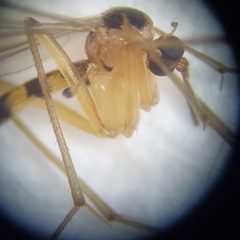
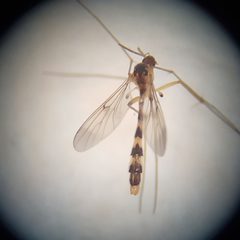
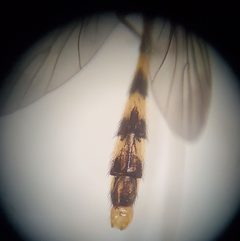
Pronunciation
How to pronounce Leptomorphus: //ˌlɛptoʊˈmɔrfəs//
These audio files are automatically generated. While they are not always 100% accurate, they are a good starting point.
Identification
can be distinguished from other Mycetophilidae by -specific morphological characters detailed in the revised , including features of the wing venation and male genitalia structure. The 2013 systematic revision provides a key to adults and illustrations of diagnostic characters for all valid . Species-level identification requires examination of male genitalia and wing patterns.
Images
Distribution
distribution across the Neotropical, Nearctic, Afrotropical, and Oriental realms, with additional records from northwestern Australasia and Europe (Denmark, Norway, Sweden).
Similar Taxa
- Other Mycetophilidae generaLeptomorphus is distinguished by unique morphological characters of the wing venation and male genitalia; the 2013 revision provides an updated separating it from related fungus gnat genera.
More Details
Taxonomic history
Previous subgeneric classifications based on morphological groupings are not supported by phylogenetic analysis; the four groups identified in the 2013 revision (L. ornatus, L. grjebinei, L. walkeri, and L. furcatus groups) replace earlier subgeneric arrangements.
Species diversity
The contains 45 extant , including 12 described as new in the 2013 revision and 8 additional Oriental and northwestern Australasian species described by Papp & Ševčík (2011).