
Neolasioptera
Felt, 1908
Species Guides
26Neolasioptera is a of gall midges (Cecidomyiidae) comprising at least 130 described . Species are primarily gall-inducers on diverse flowering plants, with documented associations across at least 43 plant . The genus is most diverse in the Neotropics, particularly Brazil, with additional records from North America. Several species have been evaluated for of weeds.
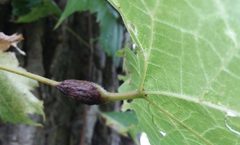
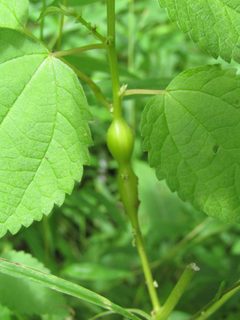
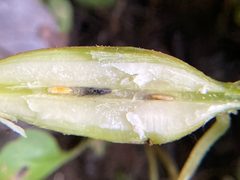
Pronunciation
How to pronounce Neolasioptera: /niːoʊˌlæsiˈɒptərə/
These audio files are automatically generated. While they are not always 100% accurate, they are a good starting point.
Identification
are small, delicate flies with reduced wing venation typical of Cecidomyiidae. show : males typically have fewer flagellomeres than females (e.g., 13 vs. 14-15 in some ). The is distinguished from related cecidomyiids by pupal characteristics, including a non-brittle . Larvae possess a spatula (sternal plate) with variable tooth configurations; some species have distinctive features such as three convex, cruciate teeth with defined anterolateral extensions. Specific identification requires examination of larval spatula , adult palp segmentation, flagellomere counts, and ovipositor length ratios.
Images
Habitat
Diverse terrestrial environments including Atlantic Forest, Cerrado, Amazon forest, Caatinga, Pampa, and restinga areas in Brazil. occupy agricultural fields, natural vegetation, and disturbed where plants occur. Specific microhabitats include stems, flower , and other plant tissues where galls are induced.
Distribution
Primarily Neotropical, with highest diversity in Brazil (recorded from São Paulo, Espírito Santo, Rio de Janeiro, Rio Grande do Sul, and Mato Grosso do Sul). Also present in northwestern Argentina and North America (including Michigan and Vermont, USA).
Host Associations
- Chromolaena laevigata - gall inducerflower (N. floricola)
- Inga maritima - gall inducer to Brazil (N. fluminensis)
- Hexasepalum apiculatum - gall inducer to Brazil (N. hexasepali)
- Myriopus villosus - gall inducer to Brazil (N. myriopi)
- Rolandra fruticosa - gall inducer(N. rolandrae)
- Parkinsonia aculeata - gall inducerstem swellings (N. aculeatae)
- Physalis angulata - gall inducer stem galls (N. ramicola)
- Aeschynomene denticulata - gall inducerstem galls (N. pantaneira)
- Cuphea carthagenensis - gall inducer(N. cupheae)
- Gleditsia triacanthos - gall inducerhoneylocust (N. brevis)
Life Cycle
Holometabolous development with , larva, pupa, and stages. Larvae develop within plant galls or, in some , are free-living on flower . occurs within galls; pupal remain inside gall chambers. Gall galleries often change color during development (e.g., yellow-orange to red-brown). Multiple larvae may inhabit single galls.
Behavior
Females use an elongated, protrusible ovipositor to deposit into plant tissue. The ovipositor may exceed 5-11 times the length of the terminal abdominal tergite depending on . Gall induction represents an extended phenotype where gall is characteristic of the inducing species. Some larvae are gregarious within galls.
Ecological Role
Gall inducers that create specialized plant structures providing food and shelter for developing larvae. Galls alter plant growth patterns and resource allocation. Serve as for , supporting three-trophic-level interactions. Some show potential as agents for plants.
Human Relevance
N. aculeatae has been proposed for of Parkinsonia in Australia. N. brevis is considered injurious to ornamental honeylocust (Gleditsia triacanthos) in Michigan, causing shoot distortion and aesthetic damage. Some may impact small-farm of plants such as Physalis.
Similar Taxa
- LasiopteraSimilar of gall midges; Neolasioptera distinguished by pupal structure and larval spatula
- AsphondyliaAnother cecidomyiid gall midge ; Neolasioptera often distinguished by specific associations and gall location on plant
- CecidomyiaType of ; Neolasioptera differs in antennal structure, pupal features, and typically more specialized relationships
More Details
Taxonomic Diversity
With over 130 described , Neolasioptera represents one of the more species-rich in Cecidomyiidae. The majority of described species (36) are associated with Asteraceae, though the genus spans at least 43 plant globally.
Research Potential
The offers substantial opportunity for taxonomic revision, particularly given that many are known from limited material and geographic locations. specificity varies among species and requires further documentation.
Sources and further reading
- BugGuide
- Wikipedia
- GBIF taxonomy match
- iNaturalist taxon
- NCBI Taxonomy
- Catalogue of Life
- New species of Neolasioptera Felt, 1908 (Diptera, Cecidomyiidae) from Brazil
- A new species of Neolasioptera (Diptera: Cecidomyiidae) from Parkinsonia aculeata (Leguminosae) in Argentina for possible use in biological control in Australia, with a key to Neotropical species of Neolasioptera
- Neolasioptera ramicola, a new species of Cecidomyiidae (Diptera) associated with Physalis angulata (Solanaceae)
- Neolasioptera pantaneira, a new species of Cecidomyiidae (Diptera) associated with Aeschynomene denticulata (Fabaceae) from Brazil
- Interações em tres niveis troficos envolvendo galhas de Neolasioptera cupheae Cagne (Ditera, Cecidomyiidae) e seus parasitoides em Cuphea carthagenensis (Jacq.) Macbride (Lythraceae)
- Life History, Damage, and Gall Development of the Gall Midge, <i>Neolasioptera Brevis</i> (Diptera: Cecidomyiidae), Injurious to Honeylocust in Michigan