
Neolasioptera boehmeriae
(Beutenmüller, 1908)
Boehmeria stem gall midge
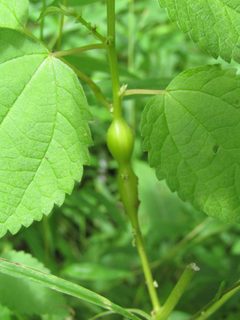
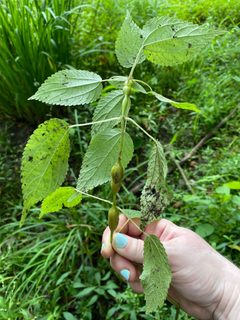
Neolasioptera boehmeriae is a gall midge in the Cecidomyiidae, commonly known as the Boehmeria stem gall midge. The induces galls on false nettles (Boehmeria spp.), with which it has a specialized relationship. It occurs in the northeastern United States and southern Canada. The species was first described by Beutenmüller in 1908.
Pronunciation
How to pronounce Neolasioptera boehmeriae: //ˌniːoʊlæsiˈɒptərə boʊˈmɛriaɪ//
These audio files are automatically generated. While they are not always 100% accurate, they are a good starting point.
Identification
Can be distinguished from other Neolasioptera by its association with Boehmeria plants; the stem galls it induces on false nettles are diagnostic. gall midges in this are generally small, delicate flies with long , though specific morphological features distinguishing N. boehmeriae from are not well documented in accessible sources.
Images
Habitat
Occurs in where false nettles (Boehmeria spp.) grow, including moist woodlands, stream banks, and disturbed areas with adequate soil moisture.
Distribution
Northeastern United States and southern Canada.
Diet
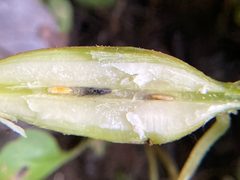
Larval stage feeds on tissue of false nettle (Boehmeria) stems, inducing gall formation. feeding habits are not documented.
Host Associations
- Boehmeria - plantFalse nettles; specific within not differentiated in sources
Behavior
Induces stem galls on plants; the gall provides shelter and nutrition for developing larvae.
Ecological Role
Acts as a gall-former on false nettles, potentially influencing plant growth and resource allocation. Serves as a food source for and other natural enemies, though specific associates are not documented.
Human Relevance
No documented economic or medical significance; of interest to entomologists studying gall-forming insects and plant-insect interactions.
Similar Taxa
- Other Neolasioptera speciesSame , but distinguished by plant specificity to Boehmeria
- Other Cecidomyiidae gall midgesSimilar and , but plant association is the primary distinguishing feature
More Details
Etymology
Specific epithet 'boehmeriae' derives from the plant Boehmeria, reflecting its specialized association with false nettles.