
Lasioptera solani
(Felt, 1907)
gall midge
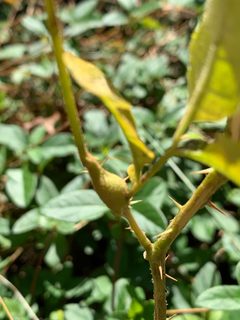
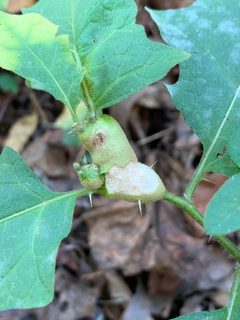
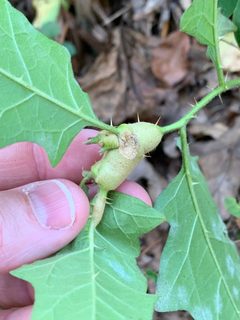
A small in the Cecidomyiidae. display distinctive black, gray, and white coloration. The Lasioptera is known for inducing galls on plants, though specific details for this remain limited. The species epithet 'solani' suggests an association with Solanaceae plants.
Pronunciation
How to pronounce Lasioptera solani: //ˌleɪ.si.ˈɒp.tə.rə soʊˈleɪ.naɪ//
These audio files are automatically generated. While they are not always 100% accurate, they are a good starting point.
Identification
are small flies, approximately 2-4 mm in length, with a striking pattern of black, gray, and white markings. The can be distinguished from other gall midges by wing venation and antennal structure, though -level identification typically requires examination of genitalia or larval characteristics.
Images
Habitat
Associated with vegetation, likely in agricultural or semi-natural settings where Solanaceae plants occur.
Host Associations
- Solanum - gall inductionInferred from epithet; specific records require verification
Life Cycle
As with other Cecidomyiidae, development likely includes , larval, pupal, and stages. Larvae are gall-formers, developing within plant tissue.
Ecological Role
Gall-former; induces plant galls that provide protected microhabitats for larval development.
Human Relevance
Potential pest of Solanaceae crops if confirmed to utilize economically important such as potato, tomato, or eggplant.
Similar Taxa
- Other Lasioptera speciesSimilar size, coloration, and gall-forming habit; separation requires detailed morphological examination
- Other Cecidomyiidae generaMany gall midges share small size and similar body plan; antennal structure and wing venation distinguish Lasioptera
Sources and further reading
- BugGuide
- GBIF taxonomy match
- iNaturalist taxon
- Catalogue of Life
- Katja Poveda: Zeroing in on Plant-Insect Interactions | Bug Squad
- Bug Eric: Don't Ignore the Small Bugs!
- Bug Eric: November 2016
- Small Farms: On the Front Lines of Emerging Agricultural Pests
- Bug Eric: My Personal National Moth Week, 2017
- Bug Eric: 2016