
Rhaphiomidas
Osten Sacken, 1877
flower-loving flies
Species Guides
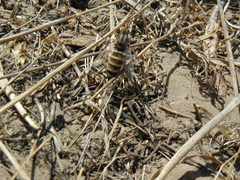
6Rhaphiomidas is a of mydid flies comprising fewer than 30 and restricted to desert regions of the southwestern United States and northwestern Mexico. are active for brief periods in spring or fall, with multiple species in the same dune system often separated by seasonal timing. Several are critically endangered due to loss from development and recreational disturbance.
Pronunciation
How to pronounce Rhaphiomidas: /ˌræfɪoʊˈmaɪdəs/
These audio files are automatically generated. While they are not always 100% accurate, they are a good starting point.
Identification
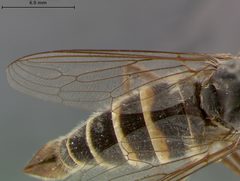
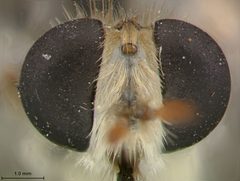
Large-bodied mydid flies with elongated . Distinguished from other Mydidae by their restriction to sand dune in the southwestern United States and Mexico. Previously classified in Apioceridae. Specific diagnostic characters for the require examination of male terminalia and other structural features.
Images
Habitat
Sand dune systems in desert regions. are most commonly encountered on or near active dunes.
Distribution
Southwestern United States and adjacent northwestern Mexico. Rhaphiomidas pachyrhynchus represents the southeasternmost record of the .
Seasonality
active for only a few weeks annually, either in spring or fall. occurring sympatrically in the same dune system are allochronic, with each flying in different seasons.
Host Associations
Life Cycle
or early instar larvae are laid on the soil surface. Subsequent larval development occurs within nests.
Ecological Role
Potential of in larval stage. role unclear.
Human Relevance
Several are critically endangered due to destruction. Rhaphiomidas terminatus abdominalis (Delhi Sands Flower-loving fly) is listed under the U.S. Act. Sand mining and off-road vehicle recreation threaten remaining .
Similar Taxa
- ApioceraFormerly classified in Apioceridae together with Rhaphiomidas; both were called "flower-loving flies" though this name persists for Rhaphiomidas despite taxonomic transfer to Mydidae.