
Opomydas limbatus
(Williston, 1886)
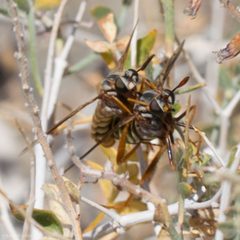
Opomydas limbatus is a of mydas fly in the Mydidae. Mydas flies are among the largest flies in North America and are characterized by their elongate bodies and -mimicking appearance. This species occurs in the southwestern United States and Mexico. Like other mydas flies, are likely nectar feeders at flowers.
Pronunciation
How to pronounce Opomydas limbatus: //ˌoʊpoʊˈmaɪdəs lɪmˈbeɪtəs//
These audio files are automatically generated. While they are not always 100% accurate, they are a good starting point.
Identification
Members of the Opomydas can be distinguished from other mydas flies by their reduced wing venation and relatively slender body form. Specific diagnostic features for O. limbatus include the presence of yellowish markings on the legs (reflected in the specific epithet 'limbatus,' meaning bordered or edged). The is smaller than the giant mydas flies in the genus Mydas.
Images
Habitat
Arid and semi-arid regions of the southwestern United States and adjacent Mexico. Specific microhabitat preferences are poorly documented.
Distribution
United States (southwestern states including California, Arizona, Nevada) and Mexico.
Diet
have been observed visiting flowers, suggesting nectar feeding. Larval diet is unknown but larvae of related mydas flies are predatory on soil-dwelling larvae.
Behavior
are and have been observed visiting flowers. is slow and deliberate. The is a Batesian mimic of stinging , gaining protection from through this resemblance.
Ecological Role
may contribute to pollination through flower visitation. Larvae are likely predatory, potentially regulating of scarab beetle larvae in soil .
Human Relevance
No direct economic importance. The contributes to biodiversity in arid and serves as an example of mimicry in Diptera.
Similar Taxa
- Mydas clavatusLarger size, eastern North American distribution, and clubbed distinguish this common mydas fly from O. limbatus.
- Opomydas townsendiCongeneric with overlapping range; distinguished by differences in leg coloration and wing venation details.
More Details
Taxonomic history
Originally described by Samuel Wendell Williston in 1886. The Opomydas was established to accommodate with reduced wing venation compared to the type genus Mydas.
Conservation status
Not evaluated by IUCN. The appears to be naturally uncommon based on observation records, but this may reflect limited survey effort in its arid rather than rarity.