
Embaphion depressum
(LeConte, 1851)
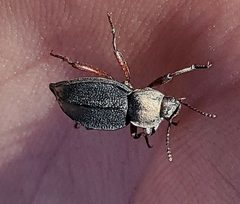
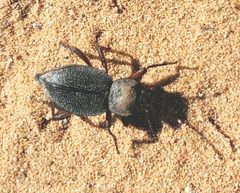
Embaphion depressum is a darkling beetle in the Tenebrionidae, first described by LeConte in 1851. The Embaphion is characterized by its distinctive explanate (flattened and expanded) body form, which gives these beetles a broad, shield-like appearance. This species is part of a small genus of North American darkling beetles adapted to arid environments. Available information on this specific species is limited, though it shares the general and presumably the ecological habits of its .
Pronunciation
How to pronounce Embaphion depressum: //ɛmˈbæf.i.ɒn dɪˈprɛs.əm//
These audio files are automatically generated. While they are not always 100% accurate, they are a good starting point.
Identification
Distinguished from ground beetles (Carabidae) by bead-like segments and concealed beneath the rather than exposed forward-directed jaws. Separated from other darkling beetles by the highly explanate, shield-like body form with expanded and reflexed lateral elytral margins. Differs from the Embaphion muricatum (which has been documented from sand dune in New Mexico) in subtle morphological details of the elytral and body proportions, though precise distinguishing characters require examination of or detailed taxonomic keys.
Images
Habitat
Specific associations for E. depressum are not documented in available sources. Based on -level patterns and records of , likely associated with arid and semi-arid environments including sandy soils, grasslands, and open woodlands of western North America.
Distribution
North America; precise range not well-documented in available sources. The Embaphion occurs in western North American aridlands.
Behavior
No specific behavioral observations documented for this . As a member of Tenebrionidae, likely and ground-dwelling.
Similar Taxa
- Embaphion muricatumShares the distinctive explanate body form and occurs in similar arid western North American ; differs in elytral details and has been documented from sand dune habitats in New Mexico
- Embaphion glabrumAnother with similar shield-like body form; distinguished by surface texture and specific associations including ponderosa pine woodlands
- Eleodes spp.Common darkling beetles in same but with cylindrical rather than explanate body form; many exhibit characteristic -standing defensive not reported in Embaphion
More Details
Taxonomic Note
Originally described as Eleodes depressus by LeConte in 1851, later transferred to the Embaphion. The genus Embaphion is characterized by its highly modified, explanate body form that distinguishes it from the more cylindrical Eleodes and most other Tenebrionidae.
Data Limitations
This is poorly represented in publicly available sources. The 21 iNaturalist observations suggest it is documented in nature but detailed natural history information has not been synthesized in accessible literature.