
Eleodes gracilis
LeConte, 1858
desert stink beetle
Species Guides
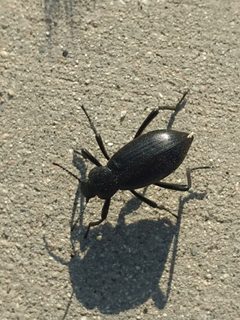
1Eleodes gracilis is a of desert stink beetle in the Tenebrionidae, first described by LeConte in 1858. The species belongs to the Eleodes, commonly known as stink beetles or darkling beetles, which are characterized by their defensive of raising the when disturbed. Two are recognized: Eleodes gracilis gracilis and Eleodes gracilis distans. The species is distributed in Mexico and has been recorded in the southwestern United States.

Pronunciation
How to pronounce Eleodes gracilis: /ˈɛliˌoʊdiːz ˈɡræsɪlɪs/
These audio files are automatically generated. While they are not always 100% accurate, they are a good starting point.
Images
Habitat
Arid and semi-arid environments including desert regions. As a member of the desert stink beetle group, it inhabits dry, sandy or rocky substrates typical of desert .
Distribution
Mexico (primary distribution). GBIF records indicate occurrence in Mexico. The is part of the North American desert fauna.
Behavior
Members of the Eleodes are known for a distinctive defensive posture: when disturbed, they raise the into the air, a that has earned them the 'clown beetles' or 'acrobat beetles'. This posture is accompanied by the release of defensive chemical secretions from abdominal glands, producing an unpleasant odor that deters . The raised abdomen posture makes the difficult for predators to grasp.
Similar Taxa
- Eleodes suturalisBoth are large Eleodes with somber coloration. Eleodes suturalis can be distinguished by specific elytral characteristics and geographic distribution (primarily Great Plains and south-central United States).
- Eleodes hispilabrisSimilar size and general appearance. Eleodes hispilabris has distinctive setal characteristics on the and different geographic range, occurring more broadly across the central United States.
More Details
Taxonomic Status
GBIF lists the taxonomic status of Eleodes gracilis as 'DOUBTFUL', suggesting that the boundaries or placement may require further taxonomic review. The species was described by John Lawrence LeConte in 1858, a prominent American entomologist who described thousands of North American beetles.
Subspecies
Two are currently recognized: Eleodes gracilis gracilis (the nominate subspecies) and Eleodes gracilis distans. The distinction between these subspecies is based on geographic and morphological differences, though specific diagnostic characters are not well-documented in readily available sources.