Pyrota insulata
(LeConte, 1858)
Yellow-crescent Blister Beetle
Pyrota insulata is a blister beetle in the Meloidae, recognized by the yellow-crescent blister beetle. reach approximately 2 cm in length and possess the chemical defense typical of meloids: , a skin-irritating compound that causes blistering on contact with human skin. The occurs in the southwestern United States and Mexico.
Pronunciation
How to pronounce Pyrota insulata: /paɪˈroʊtə ɪnˈsuːlətə/
These audio files are automatically generated. While they are not always 100% accurate, they are a good starting point.
Identification
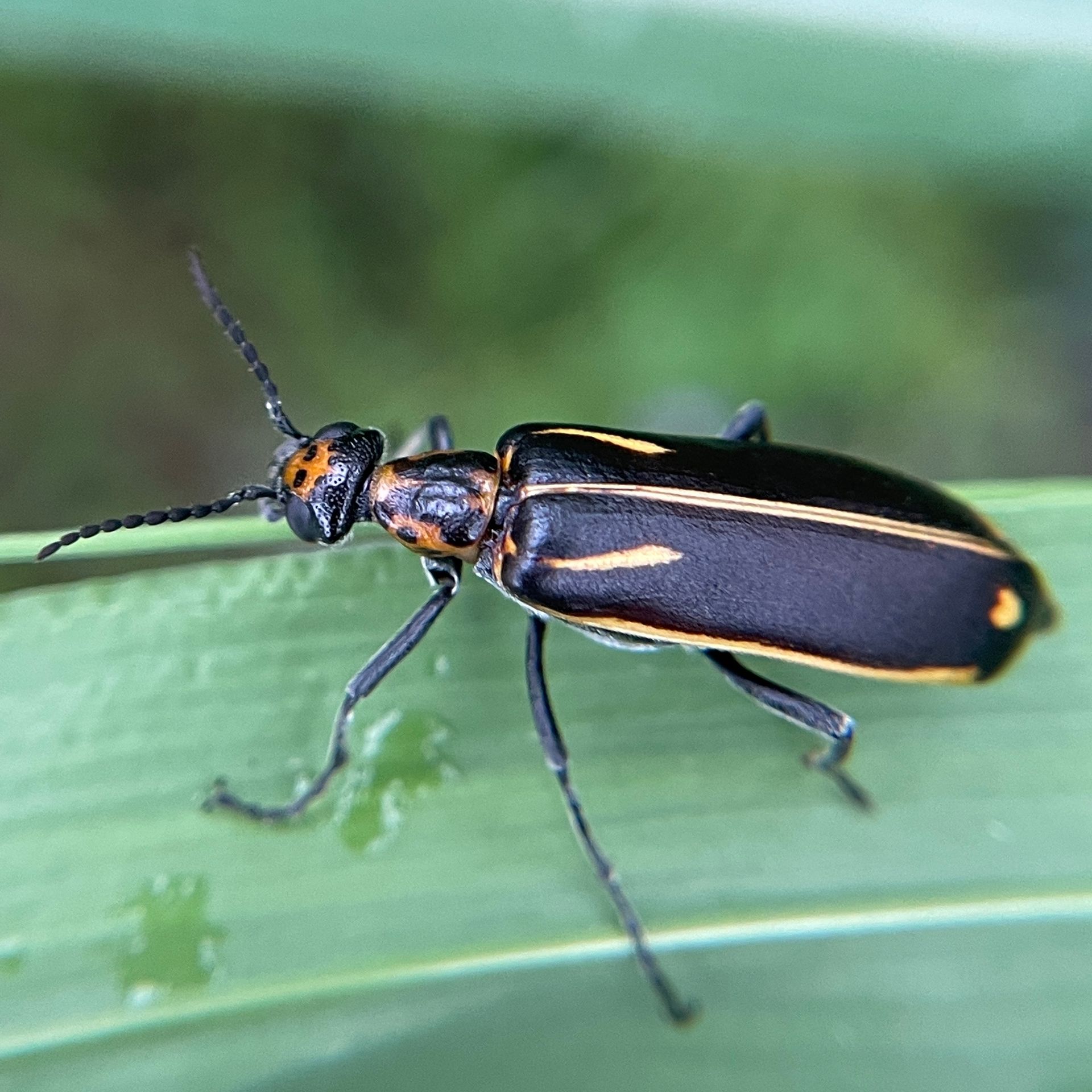
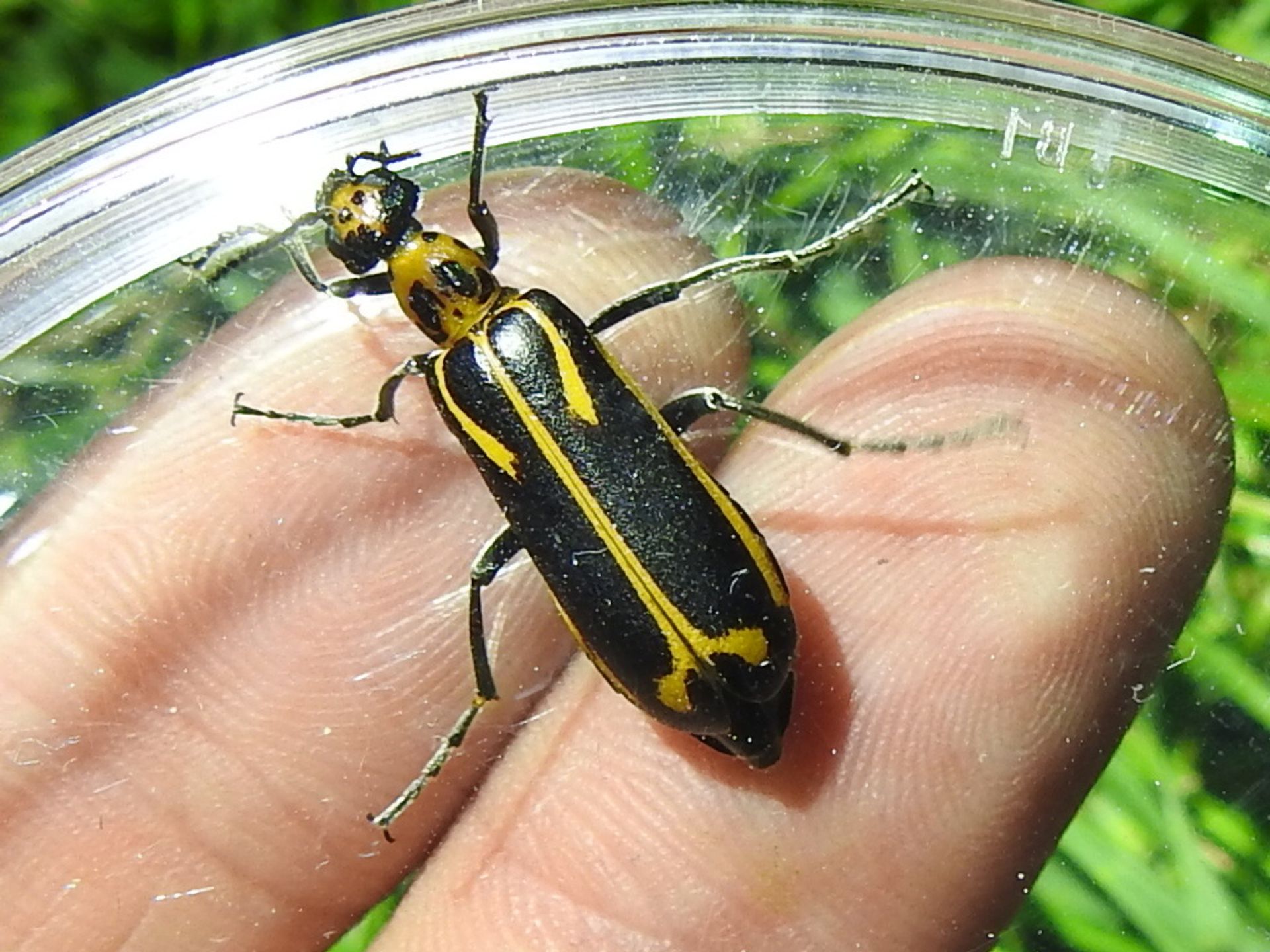
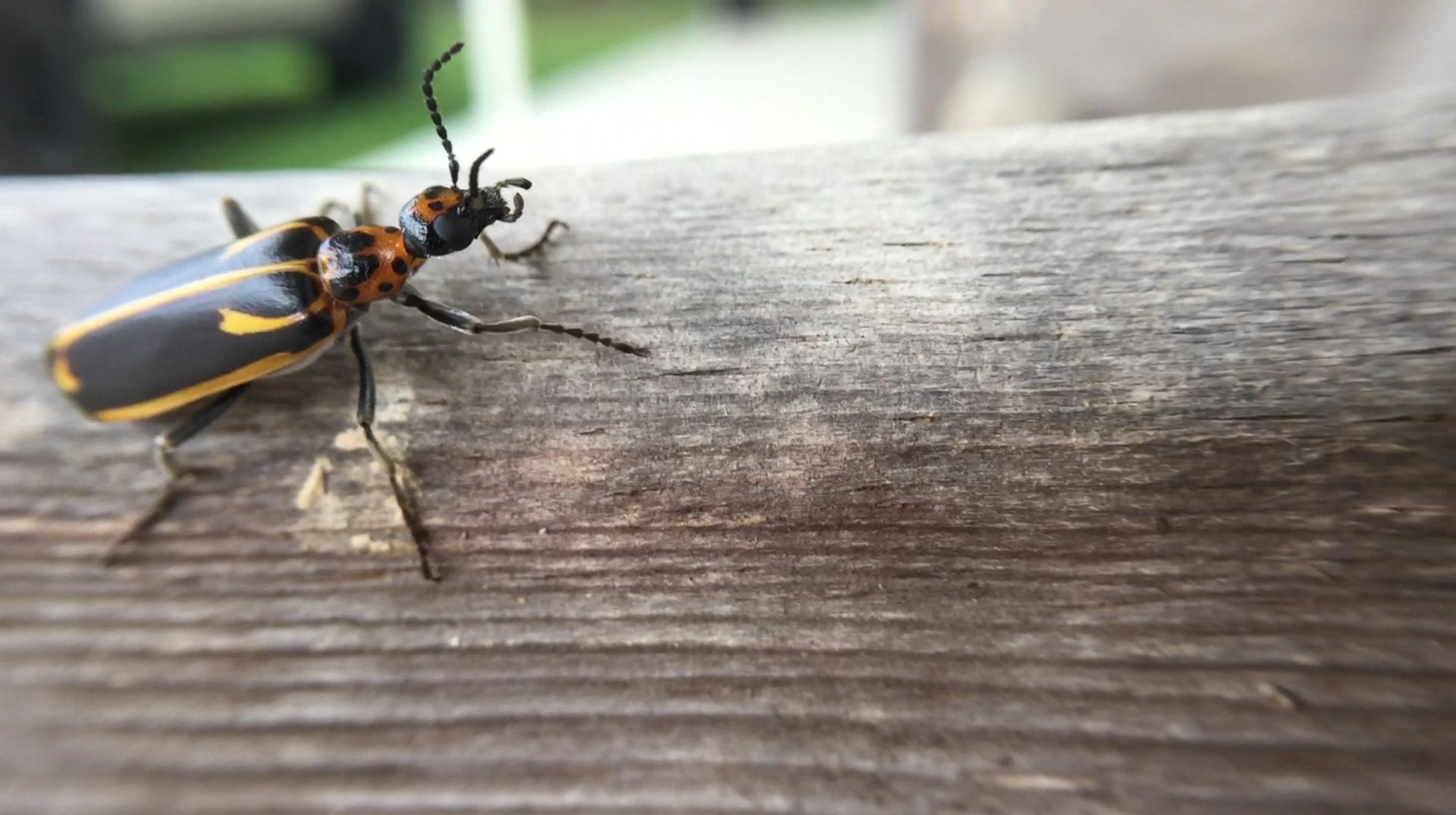
are approximately 2 cm in length. The "yellow-crescent blister beetle" suggests distinctive coloration involving yellow crescent markings, though specific pattern details are not documented in available sources. The Pyrota is characterized by elongated body form and thread-like typical of many meloid beetles.
Images
Distribution
United States (primarily Texas, Arizona, and Wyoming) and Mexico.
Behavior
Like other blister beetles, produces as a chemical defense. Cantharidin causes blistering on human skin upon contact.
Human Relevance
Contact with the 's defensive secretion () causes blistering on human skin. The poses a handling hazard but is not otherwise of significant economic or medical importance.
Similar Taxa
- Pyrota bilineataShares , orange coloration, and black pronotal spots with longitudinal elytral stripes; P. bilineata is distinguished by two black pronotal spots and distinctive black and white longitudinal stripes on . P. insulata is distinguished by yellow crescent markings per its .
- Pyrota palpalisShares and general body form; known as the "Charlie Brown Blister Beetle" with distinctive pronotal coloration differing from P. insulata.