
Pleuropasta
Wellman, 1909
Species Guides
2Pleuropasta is a of blister beetles ( Meloidae) established by Wellman in 1909. The genus contains at least two described : P. mirabilis (Horn, 1870) and P. reticulata (Van Dyke, 1947). These beetles belong to the tribe Eupomphini within the Meloinae. Members of this genus are found in arid and semi-arid regions of western North America, particularly in association with desert and scrubland .
Pronunciation
How to pronounce Pleuropasta: /plʊərəʊˈpastə/
These audio files are automatically generated. While they are not always 100% accurate, they are a good starting point.
Identification
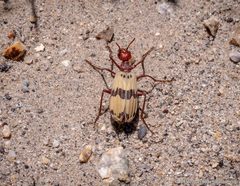
Pleuropasta can be distinguished from other Eupomphini by their characteristic elytral reticulation pattern, which gives P. reticulata its species name. The is closely related to Eupompha and other desert-dwelling blister beetles in the same tribe. are medium-sized blister beetles with the soft, flexible typical of the Meloidae.
Images
Habitat
Pleuropasta inhabit arid and semi-arid environments including desert scrub, chaparral, and dry grasslands. The has been documented in association with sandy soils and areas with sparse vegetation cover in western Texas and surrounding regions.
Distribution
The is distributed in western North America, with records from Texas (Val Verde County), New Mexico, and adjacent areas. Pleuropasta reticulata has been specifically documented from southwestern Texas.
Seasonality
have been observed in late spring, with records from May in western Texas. This timing coincides with the flowering period of many desert annuals in the region.
Similar Taxa
- EupomphaBoth belong to the tribe Eupomphini and share similar desert-adapted morphologies and . Eupompha are generally more widespread and diverse than Pleuropasta.
- MegetraAnother in the Eupomphini with which Pleuropasta shares tribal affinities and general body form. Megetra typically have more contrasting color patterns.
- TegroderaA related eupomphine found in similar arid . Tegrodera often display bold orange and black aposematic coloration not seen in Pleuropasta.
More Details
Type species
Pleuropasta mirabilis (Horn, 1870) is the type of the . Originally described as Epicauta mirabilis, it was later transferred to Pleuropasta.
Collection notes
Pleuropasta reticulata has been collected on flowers of Tiquilia canescens (shrubby tiquilia) in western Texas, suggesting may visit low-growing desert flowers for feeding or mate location.