
Anthicinae
Latreille, 1819
ant-like flower beetles
Genus Guides
15- Acanthinus(antlike flower beetles)
- Amblyderus
- Anthicus(antlike flower beetles)
- Baulius
- Cyclodinus(antlike flower beetles)
- Euvacusus
- Formicilla(antlike flower beetles)
- Ischyropalpus
- Leptanthicus
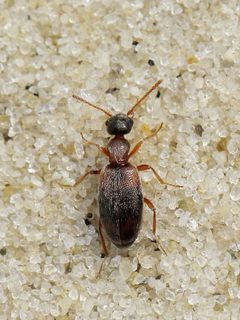
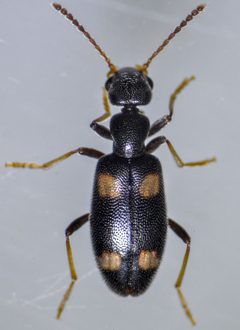
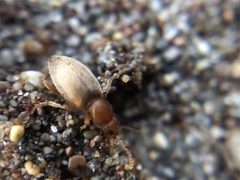
Anthicinae is a of ant-like flower beetles within the Anthicidae, first described by Latreille in 1819. The group comprises approximately 38 and is characterized by its -mimetic . Members are small beetles commonly found in flowers and associated vegetation. The subfamily is widely distributed with over 11,000 observations documented on iNaturalist.
Pronunciation
How to pronounce Anthicinae: //ænˈθɪsɪniː//
These audio files are automatically generated. While they are not always 100% accurate, they are a good starting point.
Identification
Anthicinae can be distinguished from other ant-like beetles by the combination of: pronotum constricted at base creating a narrow 'waist' resembling ants; (thread-like) without distinct club; often shortened, exposing one or more abdominal tergites; and relatively soft, flexible body compared to other Coleoptera. They differ from true ants (Formicidae) by having two pairs of wings (when present) and -typical mouthparts.
Images
Habitat
Associated with flowers, herbaceous vegetation, and decaying plant matter. Often found in dry, sunny including meadows, grasslands, and open woodlands. Some occur in leaf litter and soil surface layers.
Distribution
Worldwide distribution with representatives on all continents except Antarctica. Particularly diverse in temperate and tropical regions.
Seasonality
are most commonly observed during spring and summer months when flowering vegetation is abundant. Activity patterns vary by latitude and local climate conditions.
Behavior
are frequently observed on flowers where they feed on pollen and small insects. Many exhibit rapid, erratic movements characteristic of mimicry. When disturbed, some species feign death or drop from vegetation.
Ecological Role
Pollen consumers and likely minor . on small arthropods and may contribute to of pest . Form part of the in flower and decaying vegetation.
Human Relevance
Occasionally found in agricultural settings but not considered significant pests. Presence in flowers makes them incidental visitors to gardens and cultivated areas. No known economic importance.
Similar Taxa
- NotoxinaeAnother of Anthicidae; distinguished by more elongate body form and different antennal structure
- Formicidae (ants)Convergent -mimics; distinguished by including , hardened forewings, and non-elbowed
- Staphylinidae (rove beetles)Some rove beetles are -like and have shortened ; distinguished by different wing folding mechanism and usually more elongate body
More Details
Taxonomic Note
The contains approximately 38 according to current catalogs, though generic boundaries remain under study. The group has been subject to repeated taxonomic revision due to the difficulty of distinguishing -mimetic lineages.