
Anthicus
Paykull, 1798
antlike flower beetles
Species Guides
20- Anthicus bellulus
- Anthicus biguttulus(antlike flower beetle)
- Anthicus cervinus(cloudy flower beetle)
- Anthicus dilaticollis
- Anthicus ephippium(antlike flower beetle)
- Anthicus falli
- Anthicus flavicans(Golden Antlike Flower Beetle)
- Anthicus haldemani(Haldeman's antlike flower beetle)
- Anthicus hastatus
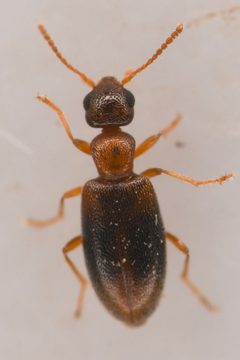
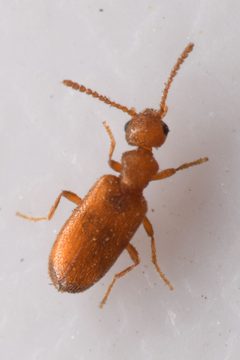
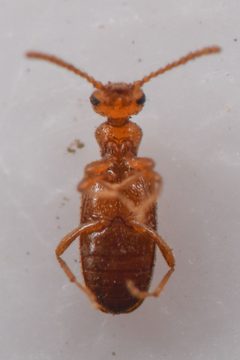
Anthicus is the type and largest genus of Anthicidae, a of beetles commonly known as antlike flower beetles. The genus contains at least 100 described and exhibits high morphological diversity. Species in this genus are small beetles that resemble ants in appearance and . The genus has undergone taxonomic revision, with some species formerly placed in Anthicus now transferred to other genera such as Furcanthicus based on morphological characters.
Pronunciation
How to pronounce Anthicus: /ˈænθɪkəs/
These audio files are automatically generated. While they are not always 100% accurate, they are a good starting point.
Identification
Separation from other Anthicidae requires examination of male genitalia and mesothoracic structures. The genus has been subject to taxonomic revision, and some groups have been moved to newly described genera such as Furcanthicus. Field identification to species is difficult without microscopic examination; many species require dissection of male genitalia for definitive determination.
Images
Habitat
Specific associations vary by . Some related species (formerly in Anthicus, now Furcanthicus) have been collected from monocotyledonous bunchgrass and bamboo at elevations of 1300–2500 m in forest-edge habitats. General Anthicidae habitat includes ground layer vegetation, leaf litter, and flowers.
Distribution
Widespread distribution with records from Europe (Denmark, Norway, Sweden), North America (United States, including Vermont), and other regions. The occurs across multiple biogeographic regions, though specific distributions vary.
Behavior
-mimicry in appearance and movement; some related (transferred to Furcanthicus) have been observed to hide in the center of bunchgrass and walk on grass blades or ground beneath vegetation. Some specimens attracted to light. Not typically found on flowers despite the 'antlike flower beetles' for the .
Similar Taxa
- FurcanthicusNew separated from Anthicus based on unique combinations of mesothoracic structures and male genitalia; formerly placed in Anthicus (A. maderi, A. rubens, A. punctiger, and others) now transferred to this genus. Furcanthicus species prefer monocotyledonous bunchgrass .
- Other Anthicidae generaApproximately 100 in Anthicidae; many share the -like body form. Generic separation requires examination of internal and microscopic characters.
More Details
Taxonomic history
Anthicus has undergone significant taxonomic revision. The paper describing Furcanthicus (2023) transferred multiple out of Anthicus based on morphological evidence, indicating the as traditionally constituted was polyphyletic or . The genus remains the largest in Anthicidae but is now more narrowly defined.
Biological data limitations
Most available biological information in recent literature refers to now transferred to Furcanthicus. Detailed , associations, and for Anthicus sensu stricto are poorly documented in the provided sources.