
Ischyropalpus
LaFerté-Sénectère, 1849
Species Guides
10- Ischyropalpus bipartitus(antlike flower beetle)
- Ischyropalpus cochisei(antlike flower beetle)
- Ischyropalpus dispar
- Ischyropalpus nitidulus(antlike flower beetle)
- Ischyropalpus obscurus
- Ischyropalpus occidentalis(antlike flower beetle)
- Ischyropalpus pinalicus
- Ischyropalpus sturmi(antlike flower beetle)
- Ischyropalpus subtilissimus
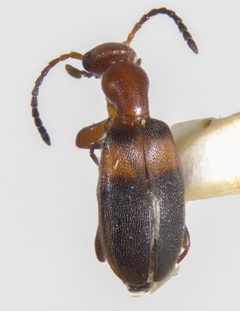
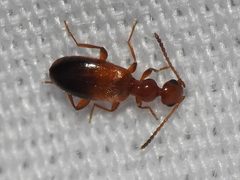
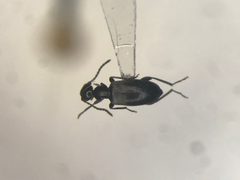
Ischyropalpus is a of antlike flower beetles in the Anthicidae, comprising approximately 15 described . Members of this genus were historically characterized as myrmecophilous (-associated), though at least one species, I. nitidulus, has been documented as a of mites in pine . The genus exhibits a notable ecological flexibility, with species occupying both ant-associated and free-living predatory .
Pronunciation
How to pronounce Ischyropalpus: /ˌɪʃɪroʊˈpælpəs/
These audio files are automatically generated. While they are not always 100% accurate, they are a good starting point.
Identification
Ischyropalpus are antlike flower beetles, distinguished by their elongate, somewhat flattened bodies and relatively long legs. They share the general Anthicidae characteristics of a narrow pronotum and with slightly clubbed tips. Species-level identification requires examination of male genitalia and subtle differences in body proportions and punctation patterns.
Images
Habitat
vary by . Ischyropalpus nitidulus has been documented in pine needle litter and on bark of Monterey pine (Pinus radiata). Other species are associated with colonies, suggesting a broader range including soil, leaf litter, and ant nest microhabitats.
Distribution
Distribution data are sparse at the level. Ischyropalpus nitidulus is associated with Monterey pine stands, which are native to coastal California and widely planted elsewhere. The genus as a whole likely has a broader distribution, but specific range boundaries remain undocumented.
Diet
Varies by . Ischyropalpus nitidulus is a documented of mites. Other species have been characterized as myrmecophilous, though the nature of this association (commensal, mutualistic, or predatory) requires clarification. Dietary habits for most species in the remain unknown.
Host Associations
- Monterey pine (Pinus radiata) - Documented for I. nitidulus in pine needle litter and bark
- Mites - preyDocumented by I. nitidulus
- Ants - historical associationPreviously described as myrmecophilous for ; nature of relationship unclear
Behavior
Ischyropalpus nitidulus exhibits active on mites, representing a behavioral shift from the previously assumed myrmecophilous habit of the . This suggests greater behavioral diversity within Ischyropalpus than previously recognized.
Ecological Role
of mites in pine , with potential as a agent for mite . The broader ecological role of the likely includes interactions with colonies and decomposition systems, though specifics remain poorly documented.
Human Relevance
Ischyropalpus nitidulus has been investigated for its potential as a agent for mites affecting Monterey pine. No other significant human interactions have been documented.
Similar Taxa
- Other Anthicidae genera (e.g., Anthicus, Notoxus)Similar antlike appearance and body form; distinguished by subtle differences in pronotal shape, antennal structure, and male genitalia
- Formicidae (ants)Convergent -mimicry in body shape and movement; distinguished by presence of , different antennal structure, and lack of metapleural glands
Misconceptions
The was historically considered primarily myrmecophilous based on presumed associations. Documentation of I. nitidulus as a free-living mite challenges this characterization, suggesting the ecological breadth of Ischyropalpus has been underestimated.
More Details
Taxonomic history
The was established by LaFerté-Sénectère in 1849. -level remains challenging due to subtle morphological differences and limited ecological data.
Research needs
Most lack documented ecological data. Field studies are needed to clarify associations, dietary habits, and the nature of relationships across the .