Acanthinus
Acanthinus
Classification
- Phylum: Arthropoda
- Subphylum: Hexapoda
- Class: Insecta
- Order: Coleoptera
- Suborder: Polyphaga
- Superfamily: Tenebrionoidea
- Family: Anthicidae
- Subfamily: Anthicinae
- Genus: Acanthinus
Pronunciation
How to pronounce Acanthinus: /əˈkænθɪnəs/
These audio files are automatically generated. While they are not always 100% accurate, they are a good starting point.
Summary
Acanthinus is a large genus of antlike flower beetles in the family Anthicidae, with over 30 described species, primarily found in the Neotropical and Australian regions, playing important roles in pollination and as part of their ecosystems.
Physical Characteristics
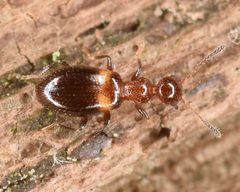
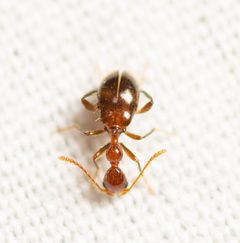
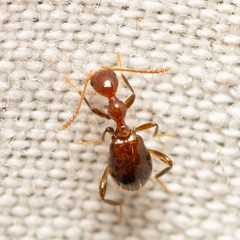
Members of the genus Acanthinus are characterized by their ant-like appearance, typically exhibiting a slender body form and long legs.
Identification Tips
Look for their distinct ant-like shape and coloration, which often resembles that of ants.
Habitat
These beetles are commonly found in a variety of habitats including grasslands, forests, and areas with flowering plants where they can feed and reproduce.
Distribution
The genus Acanthinus is predominantly found in the Neotropical and Australian regions, as well as in the southern United States and the Midwest.
Diet
They feed primarily on pollen and nectar from flowers, making them important pollinators.
Life Cycle
The life cycle of Acanthinus beetles typically involves egg, larval, pupal, and adult stages, with larvae developing in decaying plant matter or detritus.
Reproduction
Reproduction involves the laying of eggs on or near flowers where larvae can find food easily upon hatching.
Predators
Natural predators include various insectivorous birds and predatory insects that target beetles and larvae.
Ecosystem Role
Acanthinus species contribute to pollination and the decomposition process through their larval feeding habits.
Economic Impact
As pollinators, Acanthinus species may have a positive impact on agricultural ecosystems, particularly with flowering crops.
Collecting Methods
- Hand collection from flowers
- Pitfall traps
Preservation Methods
- Ethanol preservation
- Pinned specimens
Evolution
Acanthinus is part of the family Anthicidae, which has evolved to adapt to diverse ecological niches as pollinators.
Misconceptions
Some people may confuse Acanthinus beetles with true ants due to their similar morphology and behavior.
Tags
- Acanthinus
- flower beetles
- Anthicidae
- pollinators
- insect diversity