
Onitis
Fabricius, 1798
Species Guides
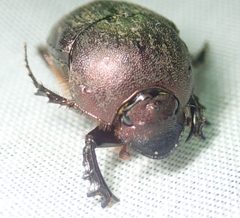
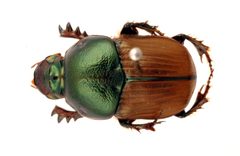
1- Onitis alexis(Bronze Dung Beetle)
Onitis is a of dung beetles in the Scarabaeidae, tribe Onitini. The genus contains more than 140 , primarily distributed across the Afrotropical, Palaearctic, and Oriental regions. All species are tunnelers that construct underground burrows beneath , bringing dung into these tunnels for -laying and larval development. The genus represents a significant component of dung beetle diversity in relatively arid regions of Africa and adjacent areas.
Pronunciation
How to pronounce Onitis: /ɒˈnaɪtɪs/
These audio files are automatically generated. While they are not always 100% accurate, they are a good starting point.
Identification
Onitis can be distinguished from other Onitini by their tunneler and associated morphological adaptations for burrowing. Species within Onitis show considerable variation in size and coloration, ranging from black to metallic or patterned forms. The genus Cheironitis, also in tribe Onitini, differs in specific morphological characters such as elytral and male protibia structure. Definitive species-level identification requires examination of male genitalia and other detailed morphological features.
Images
Habitat
occur in relatively arid and dry conditions, including savannas, grasslands, and open woodlands. are characterized by the presence of mammal , which serves as the primary resource. Some species show specificity to particular dung types or particularly dry conditions where few other dung beetle species occur.
Distribution
Primarily Afrotropical region with more than 140 ; also occurs in Palaearctic and Oriental regions. The extends across sub-Saharan Africa, parts of North Africa, the Middle East, Central Asia, and South Asia.
Seasonality
Activity patterns correlate with rainfall and availability. In African savanna , heavy rains trigger mass and activity. Some have been documented as active in June in arid Central Asian localities.
Diet
All feed on mammal . Specific dung types utilized include horse dung and likely various ungulate dung sources in their native ranges.
Host Associations
- horses - sourcedocumented for some in Central Asia
- various ungulates - sourceinferred from African savanna associations
Life Cycle
Females construct tunnels in soil beneath masses, transport dung into these tunnels, and lay within dung provisions. Larvae develop within the dung-filled tunnels, feeding on the dung provision. occurs within the burrow system. emerge and may continue to utilize dung resources for feeding.
Behavior
All are tunnelers, not rollers. fly to sources, often in large numbers following rainfall. Males and females cooperate in burrow construction and dung transport. activity has been documented, with some species attracted to ultraviolet light. Adults may show competitive interactions at dung sources.
Ecological Role
As tunnelers, Onitis contribute to burial, soil aeration, and nutrient cycling. Their activity enhances soil structure and . In arid African , they represent a significant component of the dung beetle that processes large mammal dung, reducing transmission and supporting nutrient recycling.
Human Relevance
Contributes to services in pastoral and agricultural landscapes through removal and soil improvement. May serve as bioindicators of quality and mammal presence. Some have potential for of dung-breeding pests.
Similar Taxa
- CheironitisBoth belong to tribe Onitini and share tunneler ; Cheironitis differs in morphological details of elytral and male protibia structure
- OnthophagusBoth are tunneling Scarabaeinae dung beetles; Onthophagus is far more speciose and globally distributed, with greater morphological diversity and broader
- ScarabaeusBoth are scarabaeine dung beetles in similar regions; Scarabaeus are primarily rollers rather than tunnelers, with distinct behavioral and morphological adaptations for ball-rolling
More Details
Taxonomic diversity
The contains over 140 described , making it one of the more diverse genera within the Onitini. The majority of this diversity occurs in the Afrotropical region.
Collection methods
have been collected using ultraviolet light traps at night and by direct sampling at sources. interception trapping has also been employed in studies.
Conservation relevance
As with many dung beetles, Onitis are affected by changes in mammal , conversion, and veterinary use of antiparasitic drugs in livestock. Their dependence on large mammal makes them vulnerable to declines in wild herbivore .
Sources and further reading
- BugGuide
- Wikipedia
- GBIF taxonomy match
- iNaturalist taxon
- NCBI Taxonomy
- Catalogue of Life
- I Brake for Dung Beetles! | Beetles In The Bush
- conservation | Beetles In The Bush | Page 5
- Scarabaeidae | Beetles In The Bush | Page 4
- A new species of Cheironitis van Lansberge, 1875 (Coleoptera, Scarabaeidae, Onitini) and the first record of Cheironitis moeris (Pallas, 1787) from China.