
Diplotaxis rudis
(LeConte, 1859)
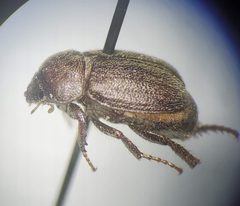
Diplotaxis rudis is a of scarab beetle in the Scarabaeidae, first described by LeConte in 1859. It belongs to the Melolonthinae and tribe Diplotaxini. The species is found in North America, with records from Kansas, North Dakota, and Texas. Very little specific information about its or has been documented in the available literature.
Pronunciation
How to pronounce Diplotaxis rudis: /ˌdɪpləˈtæksɪs ˈruːdɪs/
These audio files are automatically generated. While they are not always 100% accurate, they are a good starting point.
Identification
Diplotaxis rudis is a small scarab beetle in the Diplotaxis. in this genus are typically and are often found on vegetation at night. Identification to species level requires examination of minute morphological characters, including details of setae (stiff hairs) on various body parts, and examination of genitalia. Fresh specimens may show characteristic coloration and patterning useful for field recognition, but definitive identification generally requires collection and expert examination.
Images
Habitat
Based on related in the Diplotaxis, D. rudis likely inhabits open, dry including grasslands, prairies, and desert edges. Related Diplotaxis species are frequently associated with sandy or loose soils. However, specific habitat preferences for D. rudis itself remain undocumented.
Distribution
North America. Documented from Kansas, North Dakota, and Texas in the United States. The full extent of its range within North America is not well established.
Behavior
Members of the Diplotaxis are typically . Related have been observed congregating on low vegetation at night, where they may feed and mate. Males of some Diplotaxis species are attracted to . However, specific behavioral observations for D. rudis have not been published.
Similar Taxa
- Diplotaxis other speciesMany Diplotaxis are superficially similar in size and general appearance, requiring examination of genitalia and setal patterns for definitive identification. Some species within the may occur in sympatry with D. rudis.
- Other small scarab beetles (Scarabaeidae: Melolonthinae)Small melolonthine scarabs share general body form and size, but Diplotaxis can be distinguished by tribal and generic characters including details of the and overall body proportions.
Sources and further reading
- BugGuide
- Wikipedia
- GBIF taxonomy match
- iNaturalist taxon
- Catalogue of Life
- Bug Eric: Fly Day Friday: Cluster Flies
- 2018 New Mexico/Texas Insect Collecting Trip “iReport” | Beetles In The Bush
- Bug Eric: New Mexico Night Bugs
- Bug Eric: Can "Enting" Be a Thing?
- Bug Eric: January 2013
- Pensoft Editorial Team | Blog - Part 89