Diplotaxis harperi
Blanchard, 1851
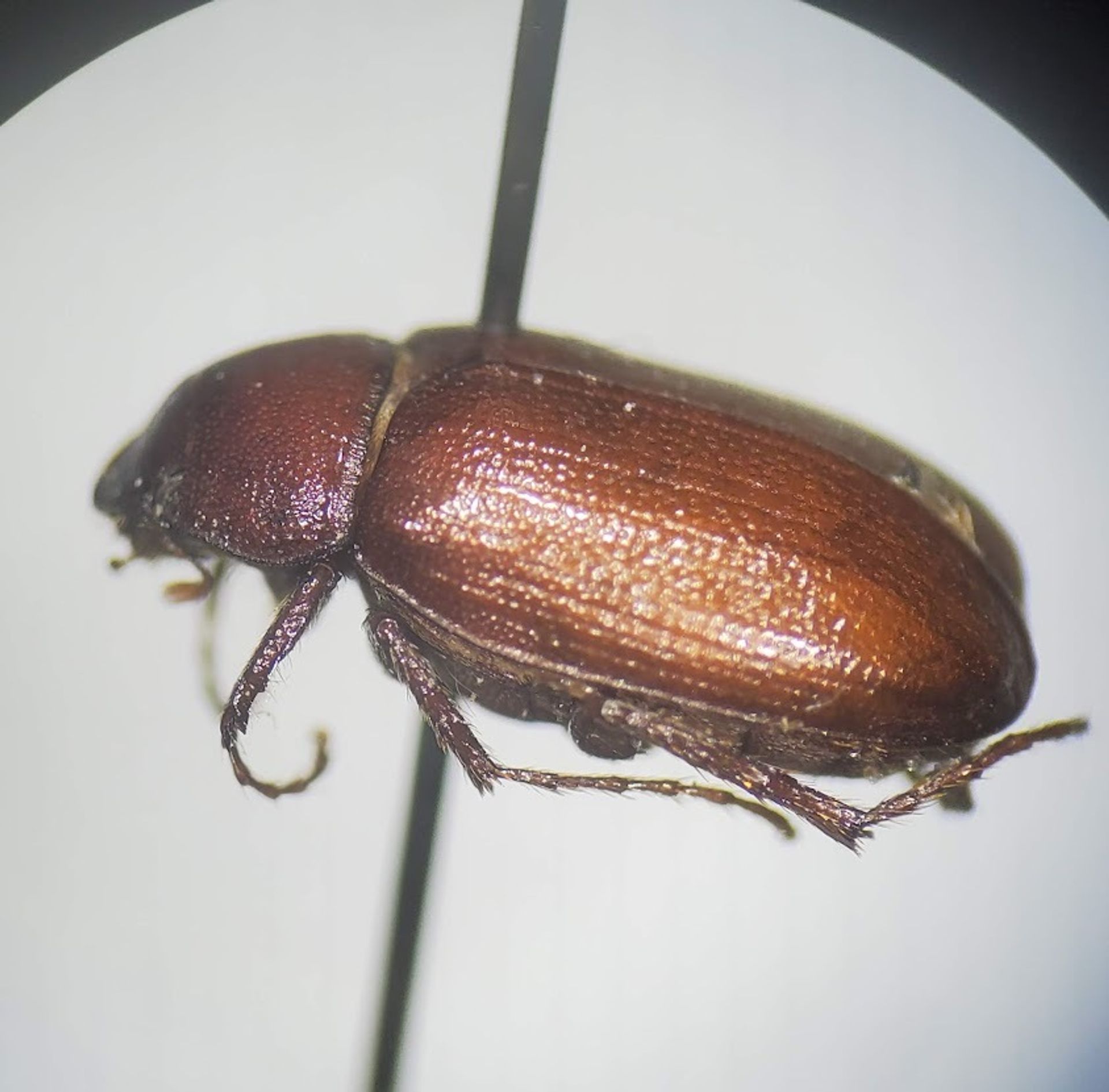
Diplotaxis harperi is a of scarab beetle in the Scarabaeidae, first described by Blanchard in 1851. It belongs to the Melolonthinae, commonly known as May beetles or June beetles. The species is distributed across North America, with records from numerous U.S. states spanning from the Atlantic coast to the Great Plains and Southwest. Like other members of the Diplotaxis, it is likely nocturnally active and associated with vegetation.
Pronunciation
How to pronounce Diplotaxis harperi: //ˌdɪploʊˈtæksɪs ˈhɑrpəri//
These audio files are automatically generated. While they are not always 100% accurate, they are a good starting point.
Identification
Diplotaxis are small scarab beetles, typically distinguished by their compact body form and specific antennal club structure. D. harperi can be separated from other Diplotaxis species by examination of male genitalia, which is often required for definitive identification within this . The species lacks the prominent external morphological features that would allow easy field identification without collection and dissection.
Images
Habitat
Based on recorded distribution, D. harperi occupies a range of across eastern and central North America, including grasslands, open woodlands, and scrub vegetation. The Diplotaxis is typically associated with herbaceous vegetation and low-growing plants.
Distribution
Nearctic region: United States (Florida, Georgia, Indiana, Iowa, Kansas, Maryland, New York, Minnesota, Nebraska, North Carolina, Oklahoma, South Carolina, South Dakota, Texas, Utah, Virginia, Wisconsin). The shows a broad east-west distribution across the central and eastern U.S., with scattered records in the Southwest.
Seasonality
are likely active during the warmer months, with peak activity probably occurring in late spring through summer, consistent with other Melolonthinae . Specific data are not documented.
Life Cycle
As a member of Melolonthinae, D. harperi likely has a typical scarab with soil-dwelling larvae that feed on plant roots, though this has not been specifically documented for this .
Behavior
Members of the Diplotaxis are known to aggregate on vegetation at night, where they feed and mate. Some are attracted to lures. are and may be found on low plants and flowers.
Ecological Role
As with other Melolonthinae, larvae likely function as root-feeders in soil , contributing to nutrient cycling and potentially affecting plant composition through herbivory. may serve as or prey for other organisms.
Human Relevance
No documented economic importance. The is not known to be a significant agricultural pest, unlike some related Melolonthinae species. It is of interest to coleopterists studying scarab beetle diversity and distribution.
Similar Taxa
- Other Diplotaxis speciesCongeneric share similar size, coloration, and general ; require genital dissection for reliable separation.
- Small Melolonthinae in related genera (e.g., Phyllophaga, Polyphylla)Similar body form and habits; distinguished by antennal structure and detailed examination of tarsal and genitalic characters.
More Details
Taxonomic History
The was described by Émile Blanchard in 1851. The Diplotaxis currently contains numerous species, many of which are poorly known and difficult to identify without specialized examination.
Collection Notes
Based on observations of , D. harperi may be most effectively collected by night-searching vegetation with a headlamp or by using lures, rather than by passive trapping methods.
Sources and further reading
- BugGuide
- Wikipedia
- GBIF taxonomy match
- iNaturalist taxon
- Catalogue of Life
- Detective work | Beetles In The Bush
- January | 2025 | Beetles In The Bush
- 2018 New Mexico/Texas Insect Collecting Trip “iReport” | Beetles In The Bush
- Bug Eric: New Mexico Night Bugs
- Bug Eric: Can "Enting" Be a Thing?
- taxonomy | Beetles In The Bush