
Sphaeridium bipustulatum
Fabricius, 1781
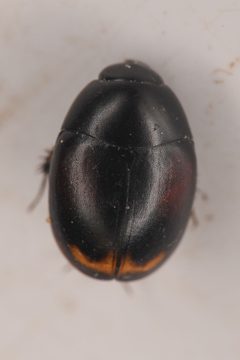
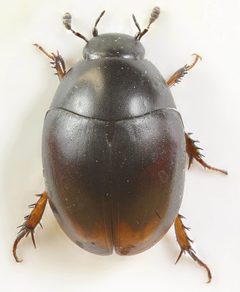
A small water scavenger beetle in the Hydrophilidae, first described by Fabricius in 1781. The is recognized by its distinctive elytral markings and association with and decaying organic matter. It has been recorded across multiple continents including Europe, Africa, and North America.
Pronunciation
How to pronounce Sphaeridium bipustulatum: //sfæˈrɪdiəm baɪˌpʌstjəˈleɪtəm//
These audio files are automatically generated. While they are not always 100% accurate, they are a good starting point.
Identification
The specific epithet 'bipustulatum' refers to two spotted or pustule-like markings on the . Distinguished from by this characteristic maculation pattern. Members of Sphaeridium are small, convex beetles with compact bodies typical of -associated hydrophilids.
Images
Habitat
Associated with and decaying organic matter in moist environments. Records from the Azores (Faial, Flores, Graciosa, Pico, São Jorge) suggest of island with suitable organic substrates.
Distribution
Africa, Europe, Northern Asia (excluding China), and North America. Documented from the Azores archipelago.
Ecological Role
Member of the dung beetle ; likely contributes to nutrient cycling and decomposition of organic matter.
Similar Taxa
- Sphaeridium lunatumSimilar size and preference; distinguished by elytral pattern (lunatum refers to crescent-shaped markings versus bipustulatum's two spots)
- Sphaeridium scarabaeoidesLarger with different body proportions and elytral
More Details
Taxonomic note
Placement in Sphaeridiinae reflects specialized -associated distinct from aquatic Hydrobiinae within Hydrophilidae.