
Megasternum
Mulsant, 1844
Species Guides
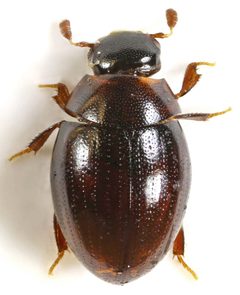
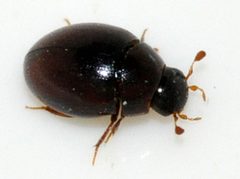
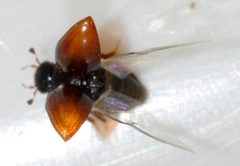
3Megasternum is a of small water scavenger beetles in the Hydrophilidae, tribe Megasternini. These beetles are associated with decomposing organic matter in moist or aquatic environments. The genus was established by Mulsant in 1844 and occurs primarily in the Palearctic region.
Pronunciation
How to pronounce Megasternum: /mɛɡəˈstɜːrnəm/
These audio files are automatically generated. While they are not always 100% accurate, they are a good starting point.
Images
Habitat
Moist environments including decaying plant matter, , and compost; often found in terrestrial or semi-aquatic settings with high organic decomposition.
Distribution
Palearctic region; confirmed records from Denmark (DK), Norway (NO), and Sweden (SE).
Diet
Decomposing organic matter; and larvae are saprophagous.
Ecological Role
Decomposer; contributes to nutrient cycling by breaking down decaying organic material in moist .
Human Relevance
Generally inconspicuous to humans; occasionally found in compost or manure where they aid in decomposition processes.
Similar Taxa
- SphaeridiumBoth are small, rounded Hydrophilidae in Sphaeridiinae associated with and decaying matter; Megasternum often have more convex body profiles and different pronotal shapes.
- CercyonSimilar size and preferences; Cercyon typically have more elongate body forms and different antennal club structures.
More Details
Taxonomic Note
The Megasternum belongs to the tribe Megasternini, a group of small, often globose Hydrophilidae adapted to life in decomposing substrates. -level requires examination of male genitalia and subtle body proportions.