Photinus dimissus
LeConte, 1881
Texas Two-step Flasher
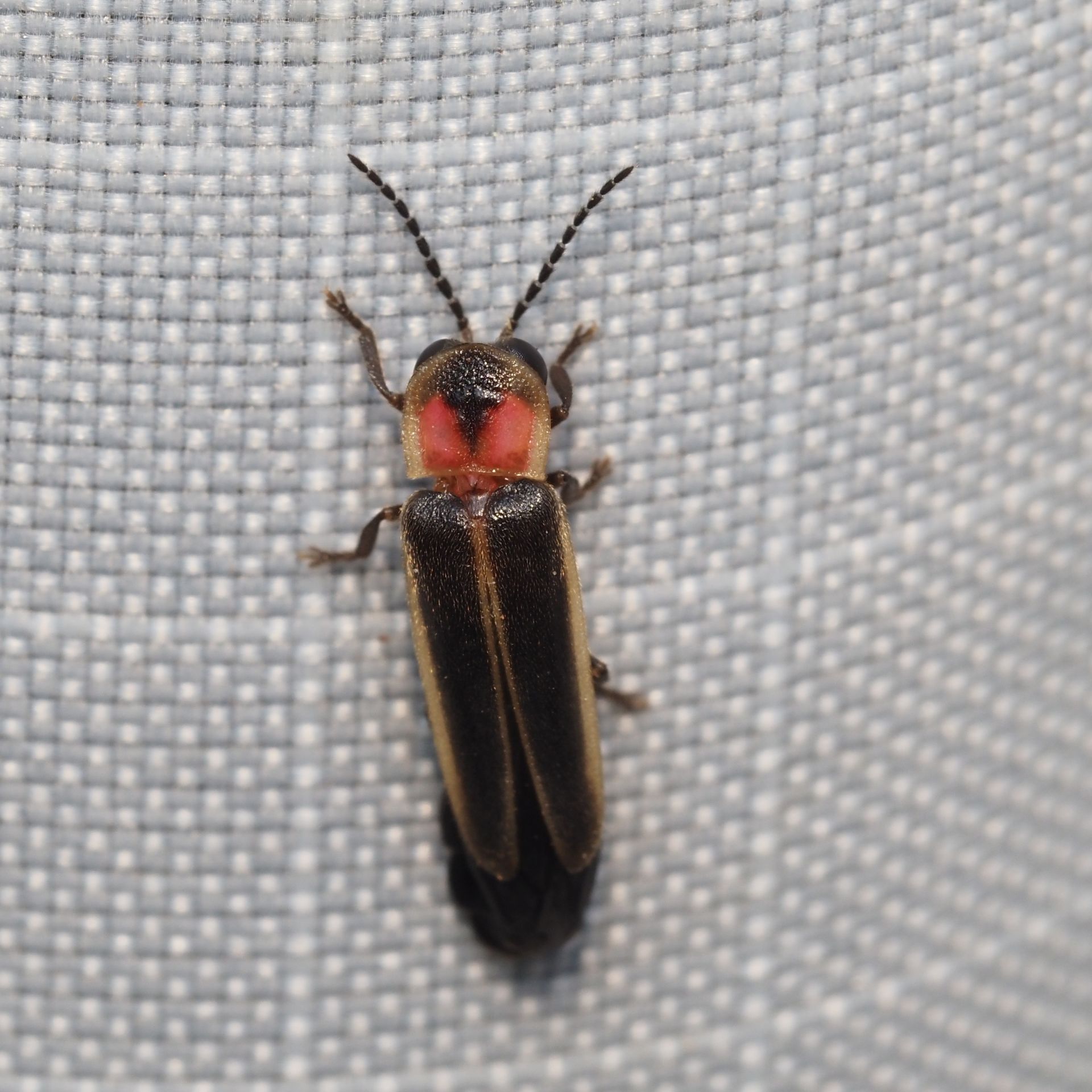
Photinus dimissus is a of firefly in the Lampyridae, described by LeConte in 1881. It is found in North America and is commonly known as the Texas Two-step Flasher. Like other members of the Photinus, it produces bioluminescent signals through a chemical reaction involving luciferin and luciferase. The species has been documented through 64 observations on iNaturalist.
Pronunciation
How to pronounce Photinus dimissus: //foʊˈtaɪnəs dɪˈmɪsəs//
These audio files are automatically generated. While they are not always 100% accurate, they are a good starting point.
Identification
Specific identification of Photinus dimissus requires examination of flash pattern characteristics, as morphological differences among Photinus are often subtle. The 'Texas Two-step Flasher' suggests a distinctive double-flash pattern that may aid in field identification. Precise identification typically requires comparison with such as Photinus pyralis and other Photinus species found in overlapping ranges.
Images
Distribution
North America. Specific range details within North America are not well documented in available sources.
Behavior
As a member of the Photinus, males likely fly and emit -specific flash patterns to attract females, which respond from perches in vegetation. The suggests a characteristic 'two-step' flash pattern. are and . Larvae, if following the pattern of related species, would be ground-dwelling .
Ecological Role
Similar Taxa
- Photinus pyralisWidespread and common Photinus with which P. dimissus may overlap in range; distinguished by flash pattern and possibly subtle morphological differences
- Photinus carolinusAnother North American Photinus ; P. carolinus is notable for synchronous flashing , which distinguishes it from other
- Photuris speciesPredatory fireflies that may be mistaken for Photinus in general appearance, but are generally larger and exhibit different flash patterns; females of some Photuris mimic Photinus flash patterns to prey upon males
More Details
Conservation context
While specific data for P. dimissus is unavailable, fireflies in North America documented threats from light pollution, destruction, and lawn use. These factors have been shown to disrupt courtship and reduce mating success in Photinus .
Nomenclature note
The 'Texas Two-step Flasher' implies a geographic association with Texas and a distinctive flash pattern, though the precise type locality and full range require verification from primary sources.
Sources and further reading
- BugGuide
- Wikipedia
- GBIF taxonomy match
- iNaturalist taxon
- NCBI Taxonomy
- Catalogue of Life
- Bug Eric: Firefly Tag
- Mother Nature's Fireworks - Lightning bugs, Lampyridae — Bug of the Week
- Summer nights and Lucifer’s lights – Lightning bugs, Lampyridae — Bug of the Week
- Mother Nature’s summer light show: Lightning bugs, Lampyridae — Bug of the Week
- Just in time for the 4th of July: Firefly fireworks - Lampyridae — Bug of the Week
- Synchronous Fireflies in Pennsylvania are Rare and Unusual