
Melasini
Fleming, 1821
Genus Guides
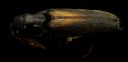
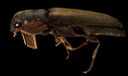
2Melasini is a tribe of false click beetles within the Eucnemidae, established by Fleming in 1821. Members of this tribe are classified under the Melasinae, a group characterized by their inability to produce the clicking sound typical of true click beetles (Elateridae). The tribe encompasses multiple of small to medium-sized beetles found primarily in forested .
Pronunciation
How to pronounce Melasini: /mɛˈlɑːsɪniː/
These audio files are automatically generated. While they are not always 100% accurate, they are a good starting point.
Identification
Melasini beetles can be distinguished from true click beetles (Elateridae) by their lack of a functional prosternal process that enables the characteristic clicking mechanism. Within Eucnemidae, tribal-level identification requires examination of antennal structure, pronotal shape, and tarsal formula. Melasini members generally exhibit or slightly serrate and a compact body form compared to some other eucnemid tribes.
Images
Habitat
within Melasini are predominantly associated with forest , particularly mature woodlands with decaying woody debris. Larval stages develop in rotting logs, stumps, and other decomposing hardwood substrates. are often found on vegetation, under bark, or in association with their larval microhabitats.
Distribution
The tribe has a broad distribution across the Holarctic region, with representatives in North America, Europe, and Asia. Individual show varying ranges, with some exhibiting transcontinental distributions while others are more restricted.
Seasonality
activity periods vary by and latitude. In temperate regions, adults are generally active from late spring through summer, with some species extending into early autumn. Larval stages persist year-round within decaying wood substrates.
Life Cycle
Larvae develop within decaying hardwood, feeding on fungal and decomposing wood material. The larval period is prolonged, potentially spanning multiple years depending on and environmental conditions. occurs within the wood substrate, with emerging to disperse and reproduce.
Behavior
are generally or , often found resting on vegetation during daylight hours. Unlike true click beetles, members of Melasini cannot perform the characteristic 'click' jumping escape mechanism due to the modified prosternal structure. When disturbed, they may drop from substrates or remain motionless.
Ecological Role
Larvae function as primary decomposers in forest , facilitating wood decay and nutrient cycling. Their feeding activities contribute to the breakdown of coarse woody debris, creating microhabitats for other saproxylic organisms.
Human Relevance
No direct economic significance. Indirectly contribute to forest health through decomposition processes. Occasionally encountered by entomologists and naturalists during surveys of saproxylic .
Similar Taxa
- Melasinae (other tribes)Other tribes within the same share the false click beetle ; differentiation requires examination of antennal and tarsal characters.
- ElateridaeTrue click beetles possess a functional prosternal spine that produces an audible click when snapping into mesosternal groove; Melasini lack this mechanism and have a more compact body form.
- ThroscidaeRelated within Elateroidea share similar small body size and saproxylic habits; Throscidae typically have more strongly clubbed and different pronotal contours.
More Details
Taxonomic History
The tribe was established by John Fleming in 1821, making it one of the earlier recognized groupings within what is now Eucnemidae. The Eucnemidae has undergone significant taxonomic revision, previously treated as a of Elateridae before elevation to family status based on morphological and molecular evidence.
Conservation Relevance
Many Melasini are indicators of old-growth forest conditions due to their dependence on decaying hardwood in advanced stages of decomposition. loss from intensive forestry practices may threaten local , though comprehensive conservation assessments are limited.