
Xyloterini
Genus Guides
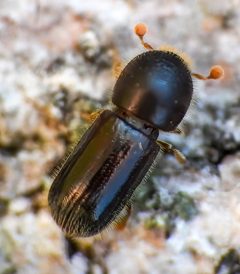
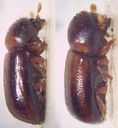
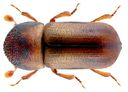
2Xyloterini is a tribe of ambrosia beetles within the Scolytinae (Curculionidae). Members are characterized by fungal and association with woody plants. The tribe includes such as Xyloterinus and Indocryphalus. Xyloterinus politus, the type of Xyloterinus, attacks black oak trees and maintains mutualistic relationships with ambrosia yeasts including Candida xyloterini, a yeast species named after this tribe.
Pronunciation
How to pronounce Xyloterini: //ksaɪləˈtɛrɪnaɪ//
These audio files are automatically generated. While they are not always 100% accurate, they are a good starting point.
Images
Habitat
Galleries within wood of trees; primarily associated with oak including black oak
Distribution
Documented from North America (Xyloterinus politus) and Southeast Asia including Vietnam (Indocryphalus )
Diet
Ambrosia fungus ; beetles and larvae feed on symbiotic fungi grown within wood galleries rather than wood tissue itself
Host Associations
- black oak - treeattacked by Xyloterinus politus
- oak - treeprimary for tribe members
Life Cycle
, larva, pupa, development occurs within wood galleries; larvae feed on ambrosia fungus cultivated by adults
Behavior
Excavates galleries in wood; cultivates ambrosia fungi on gallery walls for larval nutrition; exhibits fungal- mutualism
Ecological Role
Primary decomposer of dead or stressed wood; for ambrosia fungi and associated yeasts; contributes to nutrient cycling in forest
Human Relevance
Some attack living or stressed trees causing economic damage; Xyloterinus politus is a pest of black oak; associated yeasts have been isolated from aircraft fuel systems indicating potential for human-mediated
Similar Taxa
- other Scolytinae tribesXyloterini is distinguished by ambrosia-feeding and gallery construction; other Scolytinae include bark beetles that feed directly on phloem rather than cultivated fungi
- PlatypodinaeAlso ambrosia beetles but in separate ; distinguished by morphological characters and different fungal associations
Sources and further reading
- BugGuide
- iNaturalist taxon
- Catalogue of Life
- Cladistic analysis of Indocryphalus Eggers (Coleoptera: Curculionidae: Scolytinae: Xyloterini) and description of a new species from Vietnam
- Yeasts associated with the curculionid beetle Xyloterinus politus: Candida xyloterini sp. nov., Candida palmyrensis sp. nov. and three common ambrosia yeasts
- Mechanistic study of aluminum alloy corrosion under the interaction of Embellisia sp. and Candida xyloterini.