
Xyleborinus octiesdentatus
Beaver, Kajimura & Goto, 2008
Xyleborinus octiesdentatus is an ambrosia beetle in the Curculionidae, described in 2008 from specimens collected in Japan. As a member of the Xyleborinus, it shares the characteristic fungus-farming typical of ambrosia beetles, excavating galleries in wood and cultivating symbiotic fungi as food. The species has been recorded in North America and Southern Asia, though specific ecological details remain limited compared to better-studied such as Xyleborinus saxesenii. Its relatively recent description suggests it may be underreported in surveys of ambrosia beetle diversity.
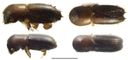
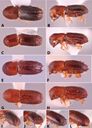
Pronunciation
How to pronounce Xyleborinus octiesdentatus: /ˌzaɪlɪˌbɔːrɪˈnaɪ nəs ˌɒktɪˌɛs dɛnˈteɪtəs/
These audio files are automatically generated. While they are not always 100% accurate, they are a good starting point.
Images
Distribution
Recorded as present in North America and Southern Asia based on GBIF distribution records. The type locality is Japan, where the was originally described.
Similar Taxa
- Xyleborinus saxeseniiClosely related with similar and ; X. saxesenii is the most common ambrosia beetle in North America and frequently dominates trap captures in orchard surveys, potentially obscuring detection of less common like X. octiesdentatus in mixed .
More Details
Taxonomic recency
Described in 2008, making it one of the more recently recognized in a where morphological identification requires examination of fine details of the declivity and .