
Ambrosiodmus obliquus
Blackman, 1928
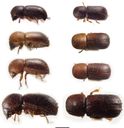
Ambrosiodmus obliquus is a of ambrosia beetle in the weevil Curculionidae, first described by Blackman in 1928. Like other members of the Ambrosiodmus, this engages in a specialized symbiotic relationship with wood-decaying fungi, specifically species in the genus Flavodon. The beetle farms these fungi in galleries excavated within wood, where the fungus serves as the primary food source for both and larvae. This species has been documented across multiple continents including North America, the Caribbean, Middle America, Africa, and South America.
Pronunciation
How to pronounce Ambrosiodmus obliquus: //æmˌbroʊsiˈɒdməs əˈblɪkwəs//
These audio files are automatically generated. While they are not always 100% accurate, they are a good starting point.
Images
Habitat
Wood of recently dead or dying trees; excavates galleries in wood where fungal gardens are cultivated.
Distribution
Present in North America, Caribbean, Middle America, Africa, and South America (including Brazil, São Paulo state).
Diet
Feeds exclusively on ambrosia fungi (Flavodon ) cultivated within wood galleries; does not consume wood directly.
Behavior
Engages in fungus-farming : excavates tunnels in wood, inoculates them with fungal spores carried in specialized mycangia (fungus pockets), and tends the fungal gardens that provide nutrition for offspring.
Ecological Role
Contributes to wood decomposition through its association with wood-decaying fungi; part of the ambrosia system that accelerates nutrient cycling in forest .
Human Relevance
Member of a group containing that can damage forest health; specific economic or ecological impacts of A. obliquus itself have not been separately documented.
Similar Taxa
- Ambrosiodmus leconteiCongeneric sharing the same -level fungus-farming and morphological similarities typical of Ambrosiodmus.