
Dichoxenus
Horn, 1876
Species Guides
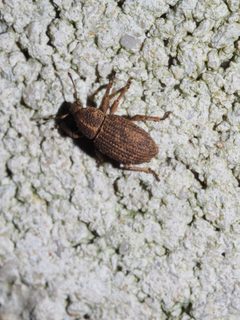
1Dichoxenus is a of broad-nosed weevils in the Curculionidae. A 2024 taxonomic revision recognized 25 , including 17 newly described from Mexico and the southern United States. The genus was expanded through synonymy of Anametis and transfer of several species from other genera. Most species are and associated with vegetation, though some occur in leaf litter and three species are known or suspected to be cave-dwelling.
Pronunciation
How to pronounce Dichoxenus: //ˌdaɪkoʊˈziːnəs//
These audio files are automatically generated. While they are not always 100% accurate, they are a good starting point.
Identification
Dichoxenus belongs to the tribe Byrsopagini, which is characterized by the absence of a metanepisternal . identification relies on examination of male genitalia and habitus . The includes species with varying degrees of pigmentation and development; cave-dwelling species such as D. sandersi exhibit reduced pigmentation, elongated appendages, and reduced eye size. A diagnostic key to all 25 species was published in 2024.
Images
Habitat
Most are collected on vegetation, especially at night. Some species occur in leaf litter. Three species are suspected or known only from caves.
Distribution
Mexico (Nuevo León, Chiapas, Veracruz, Querétaro, Coahuila, Tamaulipas) and United States (Texas, Arizona, Alabama).
Behavior
activity on vegetation has been observed for most . Three species exhibit cave-dwelling ; D. sandersi shows extreme troglomorphic adaptations including reduced pigmentation, long slender appendages, and reduced size.
Similar Taxa
- AnametisPreviously recognized as a separate , but synonymized with Dichoxenus in 2024 based on shared morphological characteristics and phylogenetic relationships.
- AmphideesA. longulus was transferred to Dichoxenus as D. longulus, indicating historical confusion between these .
More Details
Taxonomic History
The was originally described by Horn in 1876 with limited recognized. The 2024 revision by Anderson dramatically expanded the genus from 4 to 25 through new species descriptions, synonymy of Anametis, and new combinations from other genera.
Cave Adaptation
D. sandersi from Texas shows the most extreme troglomorphic traits in the , suggesting specialized to subterranean environments. Two additional are suspected to be cave-dwelling based on collection records.