Tropiphorini
Marseul, 1863
Genus Guides
23- Adaleres(broad-nosed weevils)
- Anametis
- Byrsopages
- Cimbocera
- Connatichela
- Crocidema(broad-nosed weevils)
- Diamimus
- Dichoxenus
- Dirotognathus
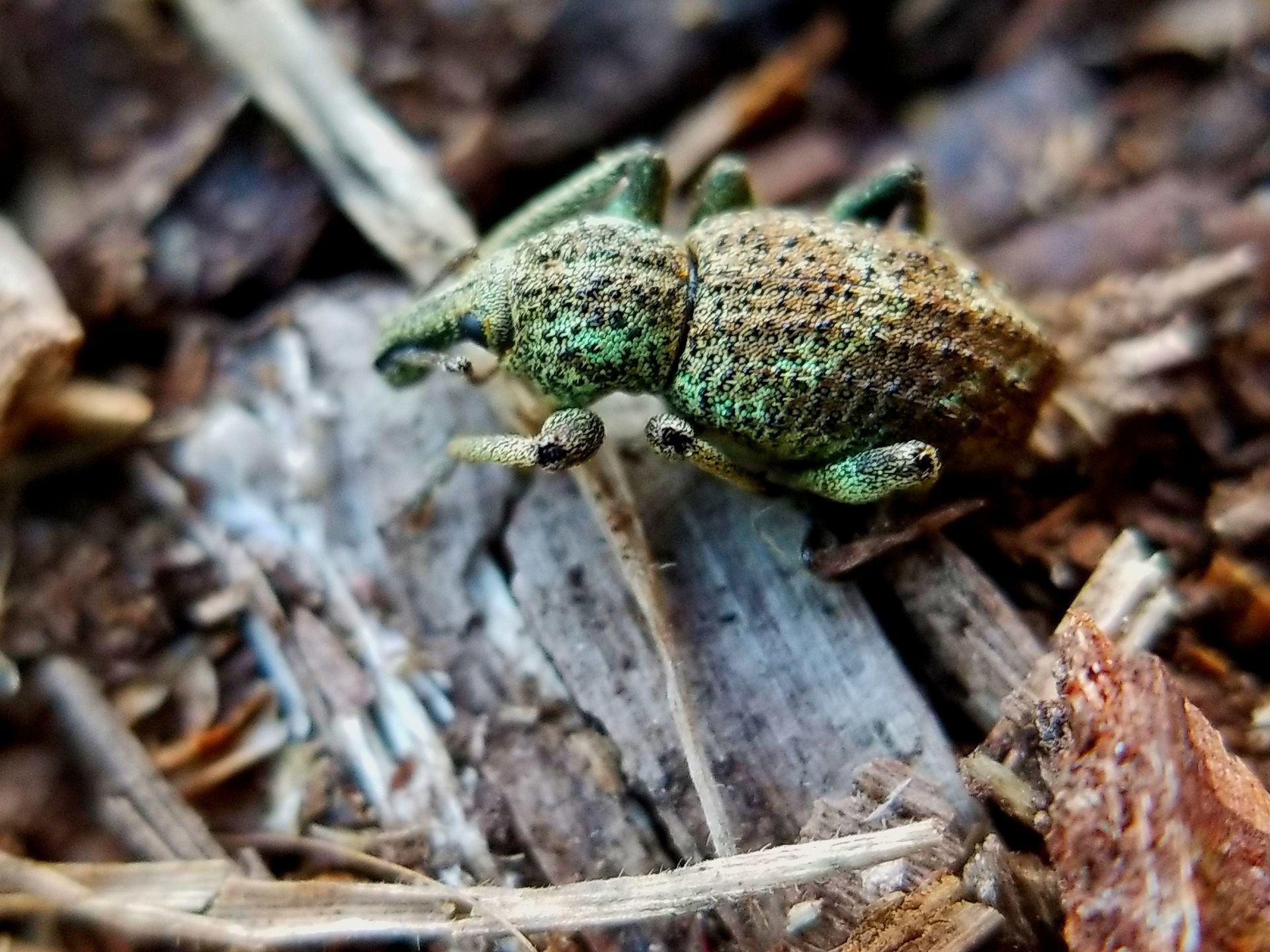
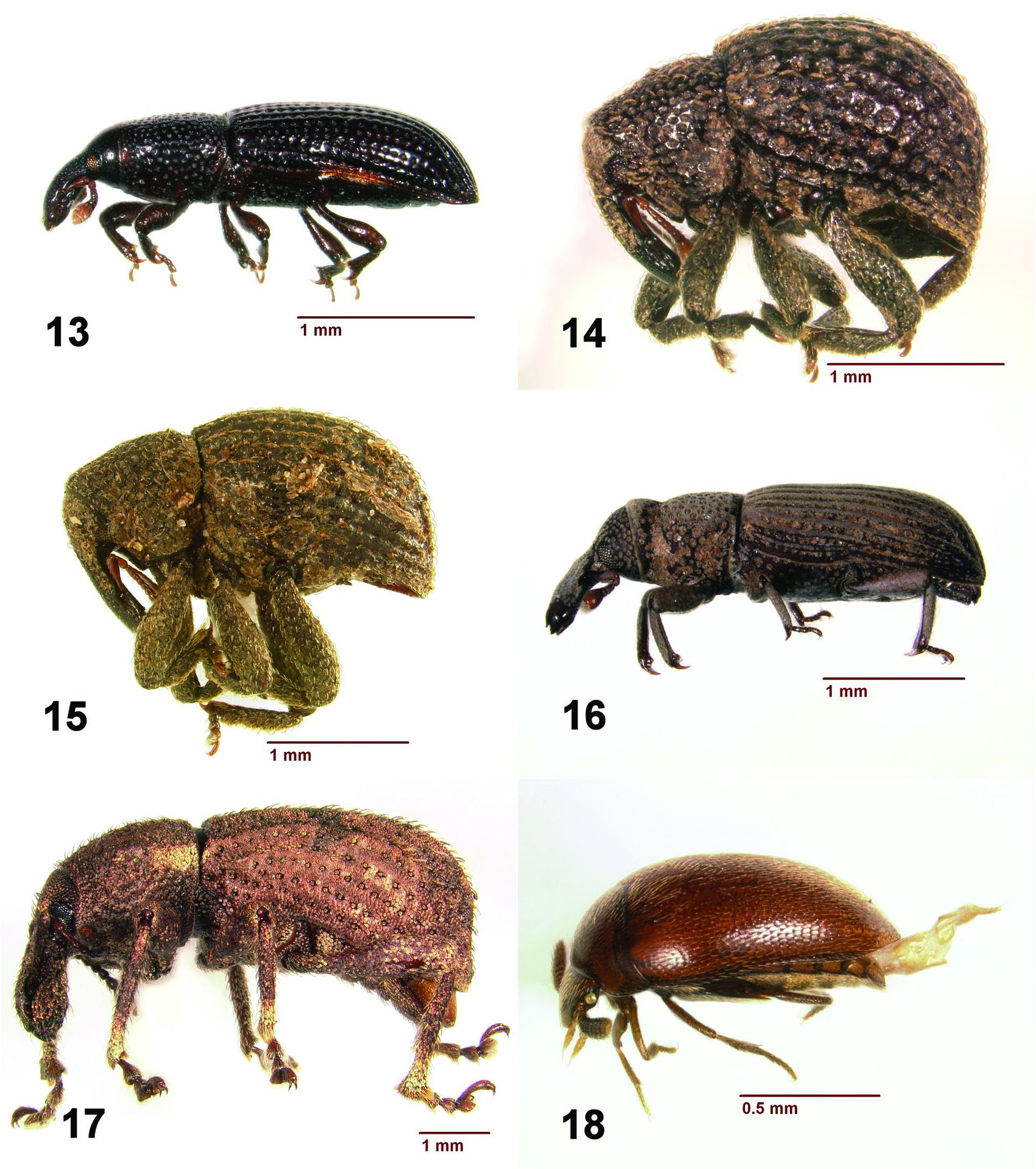
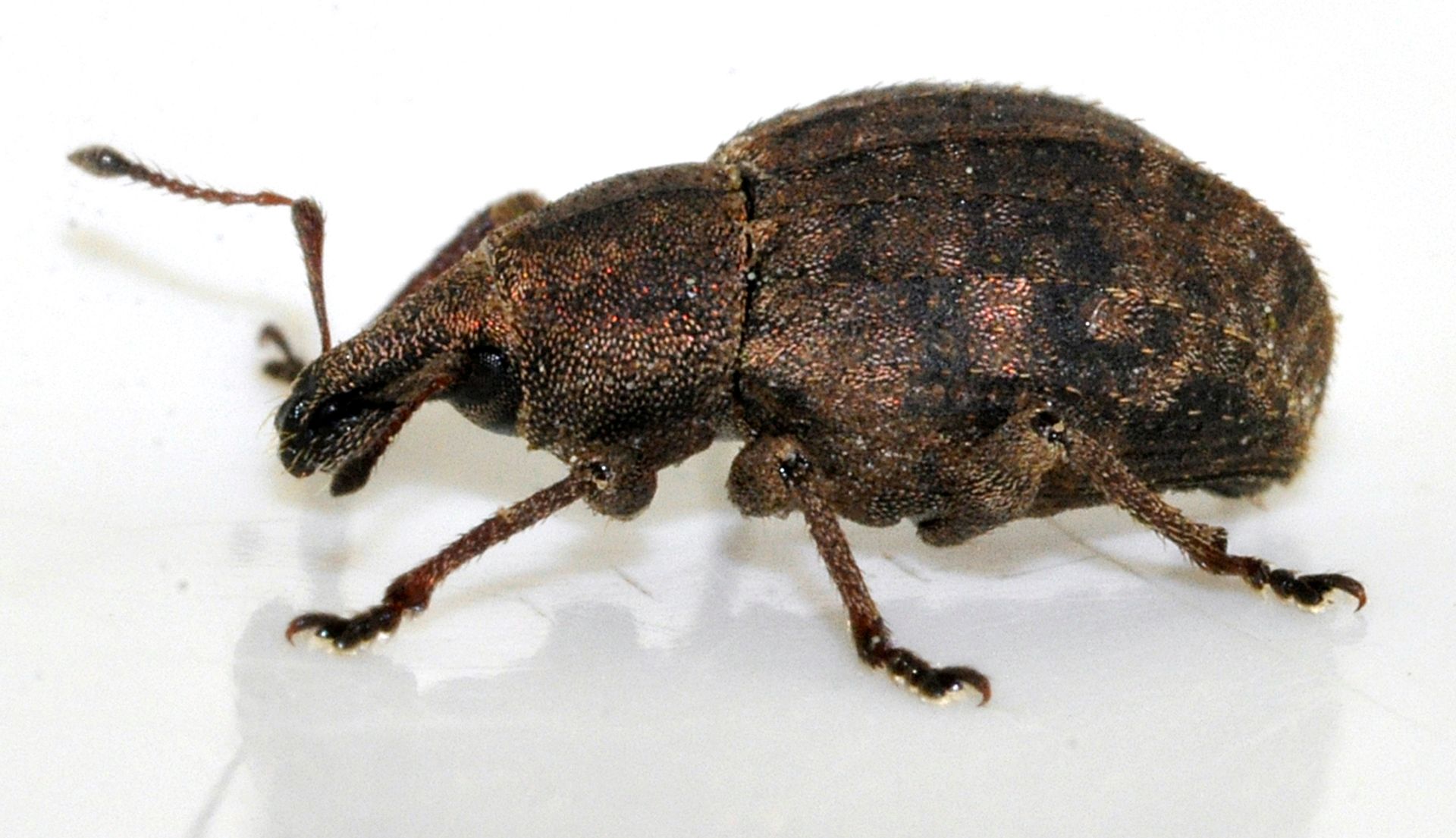
Tropiphorini is a tribe of weevils within the Entiminae, characterized by broad-nosed typical of the group. The tribe was established by Marseul in 1863 and contains approximately 120 distributed across multiple continents. Members are primarily ground-dwelling weevils with diverse ecological associations. The tribe has undergone taxonomic revision, with some classifications treating it as a synonym of Byrsopagini.
Pronunciation
How to pronounce Tropiphorini: /ˌtroʊpiˈfɔːrɪnaɪ/
These audio files are automatically generated. While they are not always 100% accurate, they are a good starting point.
Images
Distribution
within Tropiphorini have been recorded from multiple regions including Europe, the Mediterranean basin, Africa, Asia, New Caledonia, Vanuatu, and the Neotropics. Specific distribution patterns vary considerably among constituent genera.
More Details
Taxonomic Status
Tropiphorini is currently treated as a synonym of Byrsopagini in the Catalogue of Life classification, though it remains widely used in literature and databases such as iNaturalist and NCBI .
Diversity
The tribe encompasses approximately 120 described , making it one of the more diverse tribes within Entiminae. Notable genera include Tropiphorus (the type genus), Leptopius, Irenimus, and Dyslobus.