
Orchestes testaceus
(O.F. Müller, 1776)
Alder Jumping Weevil, Alder Flea Weevil
Orchestes testaceus, commonly known as the alder jumping weevil or alder flea weevil, is a of flea weevil in the Curculionidae. It is a small with the enlarged hind characteristic of flea weevils, enabling jumping locomotion. The species has been recorded primarily in association with alder trees (Alnus species), though specific ecological details remain limited in published literature.
Pronunciation
How to pronounce Orchestes testaceus: /ɔrˈkɛstɪs tɛsˈtæsiəs/
These audio files are automatically generated. While they are not always 100% accurate, they are a good starting point.
Identification
Distinguished from other Orchestes by the combination of testaceous coloration and association with alder . The enlarged hind separate it from non-jumping weevils. Specific diagnostic characters separating it from congeneric species require examination of genitalia and other subtle morphological features not readily visible in field observations.
Images
Appearance
Small weevil with enlarged hind adapted for jumping, a defining trait of flea weevils. Body coloration is testaceous (yellowish-brown to reddish-brown), consistent with the epithet. The rostrum is relatively short and stout, typical of the Orchestes.
Habitat
Associated with alder trees (Alnus ), particularly in riparian and wetland where alders commonly occur. Specific microhabitat preferences within these settings are not well documented.
Distribution
Holarctic distribution, with records from Europe and North America. GBIF data indicate presence in Belgium and broader European range; North American records exist though comprehensive distribution mapping is incomplete.
Diet
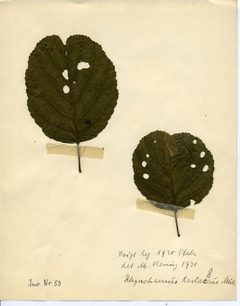
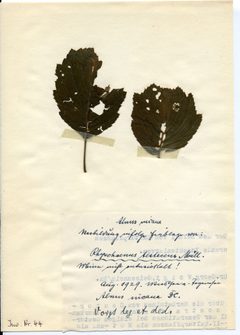
Larval feeding has been observed in alder leaves, creating characteristic mines. are presumed to feed on alder foliage, though specific feeding is not well documented in published sources.
Host Associations
- Alnus - Primary ; larvae mine leaves, associated with foliage
Life Cycle
Larvae are leaf miners in alder leaves. Details of , timing, and stage are not clearly documented in available sources.
Behavior
Jumping locomotion enabled by enlarged hind , characteristic of flea weevils. Specific behavioral observations beyond this locomotor are not well documented.
Ecological Role
As a , larvae create feeding damage in alder leaves. impacts on trees and broader effects have not been quantified in published studies.
Human Relevance
Minor pest of alder trees; not considered economically significant. No documented impacts on agriculture or forestry.
Similar Taxa
- Orchestes steppensisFormerly misidentified as the 'European elm flea weevil' and confused with O. testaceus; distinguished by association with elm (Ulmus) rather than alder , and subtle morphological differences in body proportions and genitalia
More Details
Taxonomic Note
The was described by O.F. Müller in 1776. The Orchestes is part of the flea weevil group within Curculionidae, characterized by saltatorial (jumping) hind legs. The 'flea weevil' refers to this jumping ability rather than any relationship to true fleas (Siphonaptera).