
Nitidula
Fabricius, 1775
Species Guides
6- Nitidula bipunctata(two-spotted sap beetle)
- Nitidula carnaria
- Nitidula flavomaculata(Yellow-spotted Nitidula)
- Nitidula nigra
- Nitidula rufipes
- Nitidula ziczac
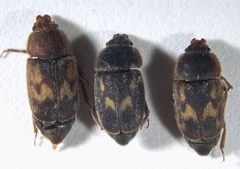
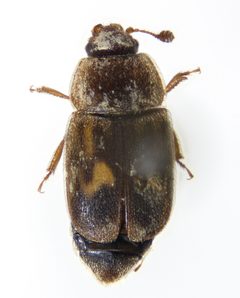
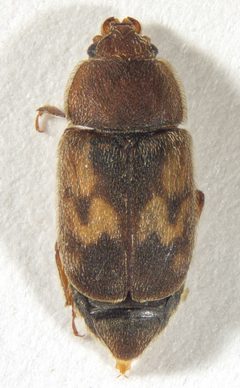
Nitidula is a of sap-feeding beetles in the Nitidulidae, first described by Fabricius in 1775. The genus contains approximately 20-23 described , though estimates vary among sources. Several species are associated with carrion and decaying organic matter, with some species such as N. carnaria and N. flavomaculata being utilized in forensic investigations due to their predictable of mammalian corpses during later stages of decay. Other species breed in carrion or are found in association with fermenting plant materials.
Pronunciation
How to pronounce Nitidula: //nɪˈtɪd.jʊ.lə//
These audio files are automatically generated. While they are not always 100% accurate, they are a good starting point.
Images
Distribution
Records from Denmark (DK), Norway (NO), and Sweden (SE) exist in GBIF. Specific distribution details for the as a whole are limited in available sources.
Diet
Sap-feeding; some associated with carrion and later stages of decay in mammalian corpses.
Ecological Role
Some serve as forensic indicators for postmortem interval estimation due to their association with carrion decomposition stages.
Human Relevance
such as Nitidula carnaria and N. flavomaculata have been used in forensic investigations. Natural history museums have employed related dermestid beetles for skeleton cleaning, though this specific application for Nitidula is not documented.
Sources and further reading
- BugGuide
- Wikipedia
- GBIF taxonomy match
- iNaturalist taxon
- NCBI Taxonomy
- Catalogue of Life
- Meloidae Holdings | Entomology Research Museum
- Nymphula nitidulata Archives - Entomology Today
- The Lepidopteran Life Aquatic
- Bug Eric: Beetles from Bones
- The Changing Distributions of our Grasshoppers, Crickets and Relatives - Buglife Blog - Buglife
- Super Crop Challenge #7 | Beetles In The Bush
- The life cycle of Aegopinella nitidula (Draparnaud) (Pulmonata: Zonitidae) at Monks Wood