
Epuraea imperialis
(Reitter, 1877)
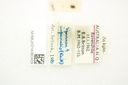
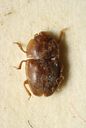
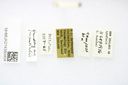
Epuraea imperialis is a small in the Nitidulidae (sap beetles). The Epuraea comprises minute to small beetles typically associated with fermenting plant materials, fungi, and decaying organic matter. This species has been documented in Belgium and the broader European region. Like other nitidulids, it likely plays a role in nutrient cycling through its association with decomposing substrates.
Pronunciation
How to pronounce Epuraea imperialis: //ˌɛpjʊˈriːə ˌɪmˈpɛriːˌælɪs//
These audio files are automatically generated. While they are not always 100% accurate, they are a good starting point.
Images
Distribution
Documented from Belgium (Flemish Region), with presence records indicating established in this area. GBIF records suggest a European distribution, though specific range details remain limited.
More Details
Taxonomic Note
The provided context sources primarily discuss Eacles imperialis (Imperial moth), a giant silk in the Saturniidae. This is a different from the Epuraea imperialis (Reitter, 1877). The GBIF and NCBI sources correctly identify Epuraea imperialis as a nitidulid beetle, not a moth. Care should be taken to distinguish these homonymous species epithets across different orders.