
Hyperaspis annexa
LeConte, 1852
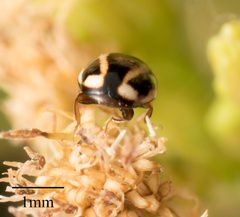
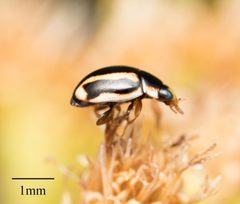
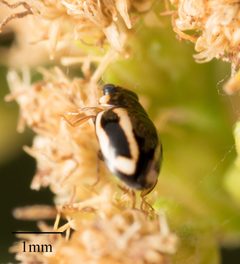
Hyperaspis annexa is a small lady beetle (Coccinellidae) native to North America, with records from California. measure 2.0–2.75 mm and are characterized by black with two yellow vittae. Males have a yellow pronotal margin, sometimes black. The belongs to a whose larvae are notable of scale insects, though specific prey relationships for this species remain undocumented.
Pronunciation
How to pronounce Hyperaspis annexa: //haɪˈpɛɹ.ə.spɪs ænˈnɛk.sə//
These audio files are automatically generated. While they are not always 100% accurate, they are a good starting point.
Identification
Distinguished from other North American Hyperaspis by the specific pattern of two yellow elytral vittae on a black background. The small size (2.0–2.75 mm) separates it from larger . Males with yellow pronotal margin differ from females where this character may be reduced or absent. Similar with striped elytral patterns include other Hyperaspis, but precise identification requires examination of genitalia or comparison with . Larvae, if found, would be covered in white waxy secretions like other Hyperaspis, but specific larval descriptions for this species are not documented.
Images
Distribution
Recorded from California, North America. GBIF records confirm presence in North America. Specific microhabitat preferences within California are not documented.
Similar Taxa
- Hyperaspis lateralisSimilar small size and striped elytral pattern; distinguished by details of spot arrangement and male genitalia
- Hyperaspis undulataOverlapping distribution in western North America; elytral pattern differs in stripe width and continuity
More Details
Taxonomic note
Described by John Lawrence LeConte in 1852, this remains poorly known beyond the original description and scattered collection records. The Hyperaspis contains approximately 90 species in North America, many with limited biological data.
Generic biology
While specific data for H. annexa are lacking, are well-documented as specialized of scale insects (Coccidae, Diaspididae). Larvae of Hyperaspis produce copious white wax from lateral glands, providing protection from ants and other predators while foraging on colonies.
Sources and further reading
- BugGuide
- Wikipedia
- GBIF taxonomy match
- iNaturalist taxon
- Waxy lady beetles come to the rescue of pest-plagued crapemyrtles, Hyperaspis spp. — Bug of the Week
- Waxy ladies: Hyperaspis ladybugs — Bug of the Week
- White, waxy ladies - Hyperaspis ladybugs — Bug of the Week
- Passion or Profession? Mid-Career Reflections of a Medical Entomologist
- Archive — Bug of the Week