
Hyperaspis lateralis
Mulsant, 1850
Lateral Sigil Lady Beetle, lateral lady beetle
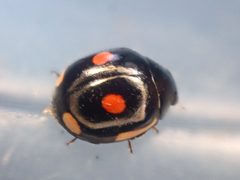
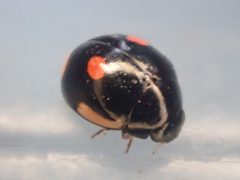
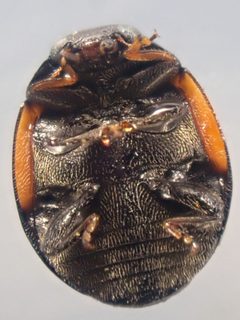
Hyperaspis lateralis is a small lady beetle in the Coccinellidae, native to Central and North America. measure 2.50–3.80 mm and exhibit in pronotum coloration: males have yellow margins and lateral areas, while females have entirely black pronota. The is one of several Hyperaspis known to prey on scale insects.
Pronunciation
How to pronounce Hyperaspis lateralis: /haɪˈpɛrəsˌpɪs læˈtɛrəlɪs/
These audio files are automatically generated. While they are not always 100% accurate, they are a good starting point.
Identification
Distinguished from other Hyperaspis by the male's yellow and lateral pronotal margins; females are less readily identifiable and may require examination of associated males or genitalia. The small size (under 4 mm) and variable elytral patterning separate it from larger lady beetle .
Images
Distribution
Central America and North America. In North America, recorded from Montana to New Mexico, west to British Columbia and southern California, plus Texas, Louisiana, and Florida. Also present in Alberta, Canada.
Diet
As with other Hyperaspis , likely predatory on scale insects (Coccoidea), though specific prey records for H. lateralis are not documented.
Similar Taxa
- Other Hyperaspis speciesShare similar small size and general body form; may require examination of male pronotal coloration or genitalia for definitive separation.
- Coccinellidae larvaeHyperaspis larvae are waxy and superficially resemble or scale insects; they move quickly when disturbed, unlike their sedentary prey.
More Details
Taxonomic note
Described by Mulsant in 1850. The specific epithet 'lateralis' refers to the lateral coloration of the male pronotum.
Sources and further reading
- BugGuide
- Wikipedia
- GBIF taxonomy match
- iNaturalist taxon
- NCBI Taxonomy
- A New Cockroach in Town? | Bug Squad
- Waxy lady beetles come to the rescue of pest-plagued crapemyrtles, Hyperaspis spp. — Bug of the Week
- Recent literature – The Coleopterists Bulletin | Beetles In The Bush
- venomous snakes | Blog
- Cimbicidae | Beetles In The Bush