
Brumus quadripustulatus
(Linnaeus, 1758)
Cream-spot ladybird, Cream-spot lady beetle
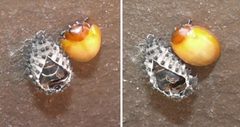
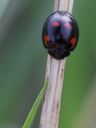
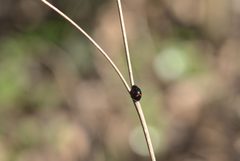
Brumus quadripustulatus is a small ladybird beetle native to Europe and northern Asia, now established in North America. It is recognized by its distinctive cream-colored spots on a dark, nearly black background. The inhabits various wooded and shrubby environments and has been observed preying on aphids and scale insects.
Pronunciation
How to pronounce Brumus quadripustulatus: /ˈbruːmʊs ˌkwɑːdrɪˌpʌstjʊˈleɪtəs/
These audio files are automatically generated. While they are not always 100% accurate, they are a good starting point.
Identification
Distinguished from other dark ladybirds by the specific pattern of four cream spots (rarely reduced to two or ). Brumus suturalis has more numerous, smaller spots. Chilocorus have different spot arrangements and more rounded bodies. Scymnus species are generally smaller with more variable, less distinct markings.
Images
Habitat
Deciduous and mixed woodlands, hedgerows, scrubland, and occasionally gardens. Associated with trees and shrubs, particularly oak, willow, and hawthorn. Found on foliage and bark where prey occurs.
Distribution
Native to Europe and northern Asia (excluding China). Introduced and established in North America, including the conterminous United States.
Seasonality
active from spring through autumn, with peak activity in summer. Overwinters as adults in sheltered locations such as leaf litter and bark crevices.
Diet
Predatory, feeding primarily on aphids (Aphididae) and scale insects (Coccoidea). Has been observed consuming psyllids and occasionally small larvae of other insects.
Host Associations
- Quercus - oak trees, common foraging site
- Salix - willow, supports prey
- Crataegus - hawthorn hedgerows
Life Cycle
laid in batches on foliage near colonies. Larvae pass through four instars, feeding actively on prey. occurs on leaves or stems. New emerge in summer; single or partial second possible in favorable conditions. adults reproduce the following spring.
Behavior
and larvae are active , searching foliage and bark for prey. Adults exhibit (death-feigning) when disturbed. Aggregates in sites. Capable of for between plants.
Ecological Role
agent of and insect in woodland and hedgerow . Contributes to regulation of phytophagous pest populations on trees and shrubs.
Human Relevance
Used in programs for scale insects in North America. Of minor interest to gardeners and naturalists. Not considered a pest or nuisance .
Similar Taxa
- Brumus suturalisSimilar size and coloration, but has more numerous small spots rather than four distinct cream spots; Asian distribution
- Chilocorus stigmaNorth American with two red spots on black, more rounded body, different spot pattern
- Exochomus quadripustulatusFormerly confused due to similar name; now classified in Brumus; same
More Details
Taxonomic History
Formerly placed in Exochomus; transferred to Brumus based on phylogenetic and morphological studies. The specific epithet 'quadripustulatus' refers to the four spots.
Introduction to North America
Intentionally introduced to the United States in the early 20th century for of scale insects, particularly Chionaspis pinifoliae on conifers. Established documented in northeastern and north-central states.