
Chaetocnema rileyi
R. White, 1996
Boca Chica flea beetle
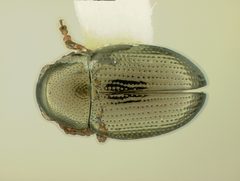
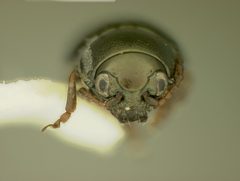
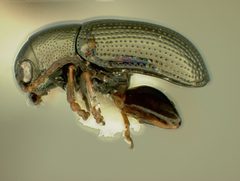
Chaetocnema rileyi, known as the Boca Chica flea beetle, is a rare flea beetle to a single dune system at Boca Chica Beach in Texas. inhabit sedge stems in beachside dunes, while larvae live underground feeding on root portions of plants. The species conservation threats from nearby SpaceX rocket launch activities, which may kill beetles through thermal exposure from engine plumes or damage dune vegetation through debris impacts.
Pronunciation
How to pronounce Chaetocnema rileyi: //kiːtəʊˈnɛmə ˈraɪliːaɪ//
These audio files are automatically generated. While they are not always 100% accurate, they are a good starting point.
Identification
No specific diagnostic features distinguishing C. rileyi from are provided in available sources. As a member of Chaetocnema, it likely shares the characteristics of small size and enlarged hind adapted for jumping typical of flea beetles (Alticinae).
Images
Habitat
Coastal dune systems at Boca Chica Beach, specifically within sedge vegetation growing in beachside dunes. The subterranean larval consists of the root zone of these sedges.
Distribution
Known only from Boca Chica Beach, Boca Chica, Texas, United States. The has one confirmed observation on iNaturalist and is considered to this single locality.
Diet
Larvae feed on underground portions of sedge plants. feeding habits are not explicitly documented but are presumed to involve the same sedge hosts based on their stem-dwelling .
Host Associations
- sedges - plant inhabit stems; larvae feed subterraneously on roots
Life Cycle
Subterranean larval stage feeds on underground plant portions. inhabit above-ground stems of sedges.
Behavior
are associated with sedge stems in dune vegetation. Larvae develop underground.
Ecological Role
Herbivore in coastal dune , potentially contributing to nutrient cycling through root herbivory and serving as prey for other organisms.
Human Relevance
Designated as a of Greatest Conservation Need (SGCN) by Texas Parks and Wildlife Department. Threatened by SpaceX Starbase operations nearby; Federal Aviation Administration environmental assessment (2022) found that beetles near the launchpad could be killed by high temperatures from engine plumes, and that launch anomalies or debris cleanup could impact dune vegetation. SpaceX coordinates with U.S. Fish and Wildlife Service to reduce environmental impacts.
Similar Taxa
- Chaetocnema pulicariaAnother North American Chaetocnema , but differs in being a widespread corn pest with northern range expansion potential under climate change, versus the restricted range of C. rileyi
- Chaetocnema quadricollisSmall flea beetle in same , but associated with rosemallow (Hibiscus) rather than sedges in dune , and has broader distribution including Florida and Missouri
More Details
Conservation status
Listed as of Greatest Conservation Need by Texas Parks and Wildlife Department. The extremely restricted range (single beach locality) makes the species vulnerable to localized disturbances.
Threat assessment
Federal Aviation Administration 2022 environmental assessment identified thermal kill risk from rocket engine plumes and vegetation damage from launch debris or cleanup activities as specific threats to this .
Sources and further reading
- BugGuide
- Wikipedia
- GBIF taxonomy match
- iNaturalist taxon
- Life at 8X—hibiscus flea beetle | Beetles In The Bush
- Climate Data Predicts Northward Range Expansion of Corn Pest
- It’s a Mayfly…It’s a Moth…It’s Thyridopteryx | Beetles In The Bush
- Bug Eric: Wasp Wednesday: Neorileya
- Recent literature – The Coleopterists Bulletin | Beetles In The Bush
- Curious Scientific Names Can Make Insects Famous