
Michthisoma
LeConte, 1850
Species Guides
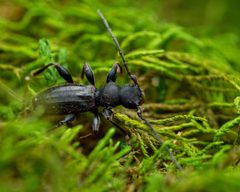
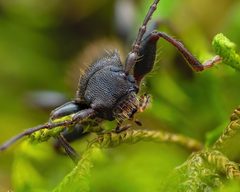
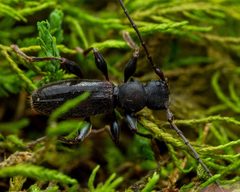
1Michthisoma is a of long-horned beetles (Cerambycidae) in the tribe Saphanini. The genus contains at least one described , M. heterodoxum, which has been documented in the southeastern United States. Members of this genus are noted for their -mimicking appearance, specifically resembling small of Camponotus pennsylvanicus.
Pronunciation
How to pronounce Michthisoma: //ˌmɪkθɪˈsoʊmə//
These audio files are automatically generated. While they are not always 100% accurate, they are a good starting point.
Identification
Michthisoma can be distinguished from other -mimicking cerambycids by its resemblance to small Camponotus pennsylvanicus . The is characterized by its small size and ant-like form. M. heterodoxum specifically appears to be restricted to the southeastern Coastal Plain, which may help distinguish it from similar ant-mimicking cerambycids in other regions.
Images
Distribution
Southeastern Coastal Plain of the United States (based on M. heterodoxum records).
Behavior
Michthisoma heterodoxum exhibits -mimicry, resembling small of Camponotus pennsylvanicus. This mimicry is considered effective enough that observers may mistake the beetles for ants without close examination. The beetles likely occur on dead wood, as is typical for many ant-mimicking cerambycids.
Similar Taxa
- Cyrtinus pygmaeusAnother small -mimicking cerambycid that occurs on dead wood among small ants; however, C. pygmaeus mimics Lasius americanus rather than Camponotus and is our smallest of Cerambycidae
- Euderces velutinus-mimicking cerambycid that mimics Camponotus sericeiventris rather than C. pennsylvanicus, and occurs in Central America rather than the southeastern United States
- Clytoleptus, Euderces, Cyrtophorus, TilloclytusOther North American cerambycid containing -mimicking , but differing in specific ant models and geographic distribution