
Grammoptera
Audinet-Serville, 1835
flower longhorn beetles
Species Guides
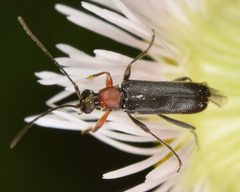
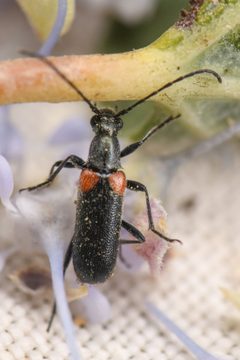
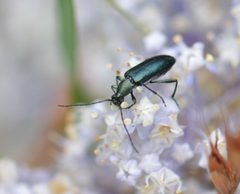
6Grammoptera is a of flower longhorn beetles in the Cerambycidae, containing approximately 30 described distributed primarily across the Northern Hemisphere. These beetles are associated with coniferous and deciduous woodlands, where are often found on flowers or freshly cut timber. The genus is characterized by relatively small body size and slender proportions compared to many other longhorn beetles. Species identification typically requires examination of antennal structure, elytral coloration patterns, and body proportions.
Pronunciation
How to pronounce Grammoptera: /ˌɡræm.oʊpˈtɪə.rə/
These audio files are automatically generated. While they are not always 100% accurate, they are a good starting point.
Identification
Distinguished from other Lepturinae by the combination of small size, slender body form, and relatively short (especially in females). Differs from similar such as Stenurella and Alosterna by antennal segment proportions and details of pronotal shape. -level identification requires examination of: antennal length relative to body; presence and pattern of elytral or color bands; shape of male genitalia; and geographic distribution. Grammoptera ruficornis is one of the more widespread and frequently encountered European species, recognizable by its reddish antennae and legs contrasting with dark .
Images
Habitat
Associated with mature woodlands, particularly coniferous and mixed forests. frequent flowers of herbaceous plants and shrubs, especially umbellifers and other white- or yellow-flowered vegetation. Also attracted to freshly cut timber, logging operations, and sawmills where they may be found on pine logs and bark surfaces. Larval development occurs in dead or dying wood of various tree .
Distribution
Primarily Holarctic distribution. Well-represented in Europe, with numerous across central, northern, and Mediterranean regions. Present in North America with several species, including G. molybdica and G. rhodopus. Asian species documented from Japan (G. matsudai, G. cyanea) and other East Asian localities. Records from Scandinavia, Russia, and extending into northern Africa for some species.
Seasonality
activity period varies by latitude and . In temperate regions, most active from late spring through summer (May–August). Some species show earlier in southern ranges. Peak abundance often coincides with flowering periods of associated plants. Adults may be found on warm, sunny days when they are actively foraging.
Life Cycle
Larvae develop in dead or decaying wood of conifers and hardwoods, feeding on fungal-decayed wood material. Developmental period likely spans one to two years depending on climate and wood condition. occurs in wood, with emerging through exit holes. Specific tree associations vary by but include pine, spruce, fir, and various broadleaved trees.
Behavior
are and active fliers, frequently visiting flowers for nectar and pollen. Readily attracted to freshly cut timber and logging sites, where they may congregate in numbers. Observed mating on bark surfaces and vegetation. When disturbed, adults typically fly or drop to the ground rather than remaining motionless. Antennal contact between individuals has been observed during mate recognition.
Ecological Role
Larvae contribute to wood decomposition and nutrient cycling in forest through their feeding on decaying wood. serve as of woodland flowers during their nectar-feeding activities. As a group, they are indicators of mature forest with standing and fallen dead wood. Prey for various insectivorous birds and other .
Human Relevance
Occasional presence at sawmills and logging operations makes them noticeable to forest and entomologists. No significant economic impact; neither major pest nor widely used biocontrol agent. Some are collected by enthusiasts due to their metallic coloration. Presence can indicate availability of dead wood in managed forests.
Similar Taxa
- StenurellaSimilar slender body form and flower-visiting , but differs in antennal structure and male genitalia
- AlosternaOverlapping preferences and appearance, but Alosterna typically have different antennal segment proportions and elytral punctation
- AnastrangaliaClose relationship within Lepturinae; Anastrangalia often larger with more robust and different color patterns
More Details
Taxonomic history
The has undergone several revisions, with moved between Grammoptera and related genera based on morphological studies. The authorship is properly attributed to Audinet-Serville (1835), though some older literature may cite differently.
Research needs
details remain poorly documented for most . Larval preferences are inferred from collection records rather than direct observation in many cases. Asian species in particular are understudied relative to European and North American fauna.