
Dorcasta cinerea
(Horn, 1860)
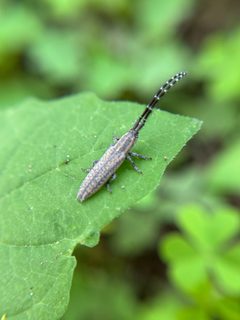
Dorcasta cinerea is a longhorn beetle (Cerambycidae: Lamiinae: Apomecynini) described by George Henry Horn in 1860. The is known from North America, with records from the United States and Mexico. A key biological trait is its larval association with buffalo gourd (Cucurbita foetidissima), a plant relationship that distinguishes it from many cerambycids. are active in spring, with collecting records from early May in Oklahoma.
Pronunciation
How to pronounce Dorcasta cinerea: //dɔːrˈkæstə sɪˈnɪəriə//
These audio files are automatically generated. While they are not always 100% accurate, they are a good starting point.
Images
Habitat
Associated with buffalo gourd (Cucurbita foetidissima) in dry, open . The plant occurs in disturbed areas, roadsides, and dry plains environments.
Distribution
North America: United States and Mexico. GBIF records indicate presence in both countries.
Seasonality
active in spring; observed in early May in northwestern Oklahoma.
Diet
Larvae feed internally in stems of buffalo gourd (Cucurbita foetidissima). diet unknown.
Host Associations
- Cucurbita foetidissima - larval Buffalo gourd; larvae bore in old, dead stems
Behavior
Larvae develop within stems of the plant, evidenced by boring damage and in old stems. likely emerge from these stems.
Similar Taxa
- Other Dorcasta speciesSame ; may share similar size and general body form, but plant association and geographic range differ
- Other ApomecyniniSame tribe; many are small to medium cerambycids with varied associations, but D. cinerea is distinguished by buffalo gourd specialization