
Dorcasta
Pascoe, 1858
Species Guides
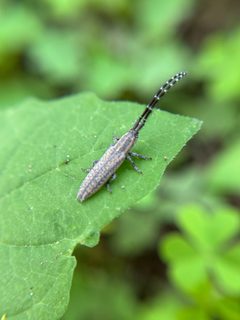
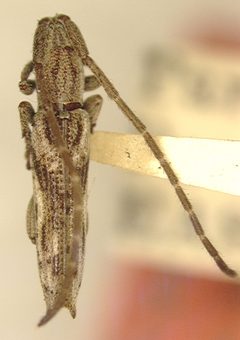
1Dorcasta is a of longhorn beetles (Cerambycidae) in the tribe Apomecynini, established by Pascoe in 1858. The genus contains eight described distributed in the Americas. Larvae of at least one species, Dorcasta cinerea, have been documented developing in the stems of buffalo gourd (Cucurbita foetidissima). are associated with various woody and herbaceous plants, though detailed information remains limited for most species.

Pronunciation
How to pronounce Dorcasta: /dɔːrˈkæstə/
These audio files are automatically generated. While they are not always 100% accurate, they are a good starting point.
Images
Habitat
Associated with diverse vegetation including Celtis reticulata (net-veined hackberry), Prosopis glandulosa (mesquite), Sapindus drummondii (soapberry), and herbaceous such as Cucurbita foetidissima (buffalo gourd). include mesa tops, gypsum-capped clay formations, and semi-arid grasslands.
Distribution
Americas; records include the United States (Oklahoma, Texas, Kansas, southwestern regions), Mexico, and Colombia. Specific show restricted ranges; Dorcasta cinerea has been collected in northwestern Oklahoma.
Seasonality
have been collected in early May in Oklahoma, with activity likely tied to plant and seasonal temperatures.
Diet
Larvae bore into stems of living or dead herbaceous plants; Dorcasta cinerea specifically utilizes Cucurbita foetidissima (buffalo gourd) as a larval . feeding habits are not documented.
Host Associations
- Cucurbita foetidissima - larval buffalo gourd; larvae develop in stems
- Celtis reticulata - associationnet-veined hackberry; beaten from living trees
- Prosopis glandulosa - associationmesquite; beaten from living trees
- Sapindus drummondii - associationsoapberry; beaten from trees
Life Cycle
Larval development occurs within plant stems, with emerging through exit holes. Specific developmental timing and number of per year are unknown.
Behavior
have been collected by beating living plants. Larval boring activity produces within stems.
Ecological Role
Stem-boring larvae contribute to herbaceous plant decomposition and nutrient cycling. Specific ecological impacts are not quantified.
Human Relevance
No documented economic importance. Of interest to coleopterists for biodiversity documentation and plant associations.
Similar Taxa
- Other Apomecynini generaSimilar slender body form and antennal structure; identification to requires examination of detailed morphological characters including pronotal and elytral , antennal segment proportions, and male genitalia.
- MoneilemaBoth are Lamiinae with cylindrical bodies; Moneilema are cactus with distinctively clubbed and association with Cactaceae, whereas Dorcasta are associated with diverse non-cactus .
More Details
Species diversity
The contains eight described : D. borealis, D. cinerea, D. crassicornis, D. dasycera, D. gracilis, D. implicata, D. quadrispinosa, and D. singularis. Species-level identification requires knowledge.
Collection method
Specimens have been successfully collected by beating living plants with a sheet, particularly during spring when temperatures reach the 60–70°F range.